Windows Leaking After El Paso Storms? When a Simple Fix Works and When Replacement Wins
Windows Leaking After El Paso Storms? When a Simple Fix Works and When Replacement Wins
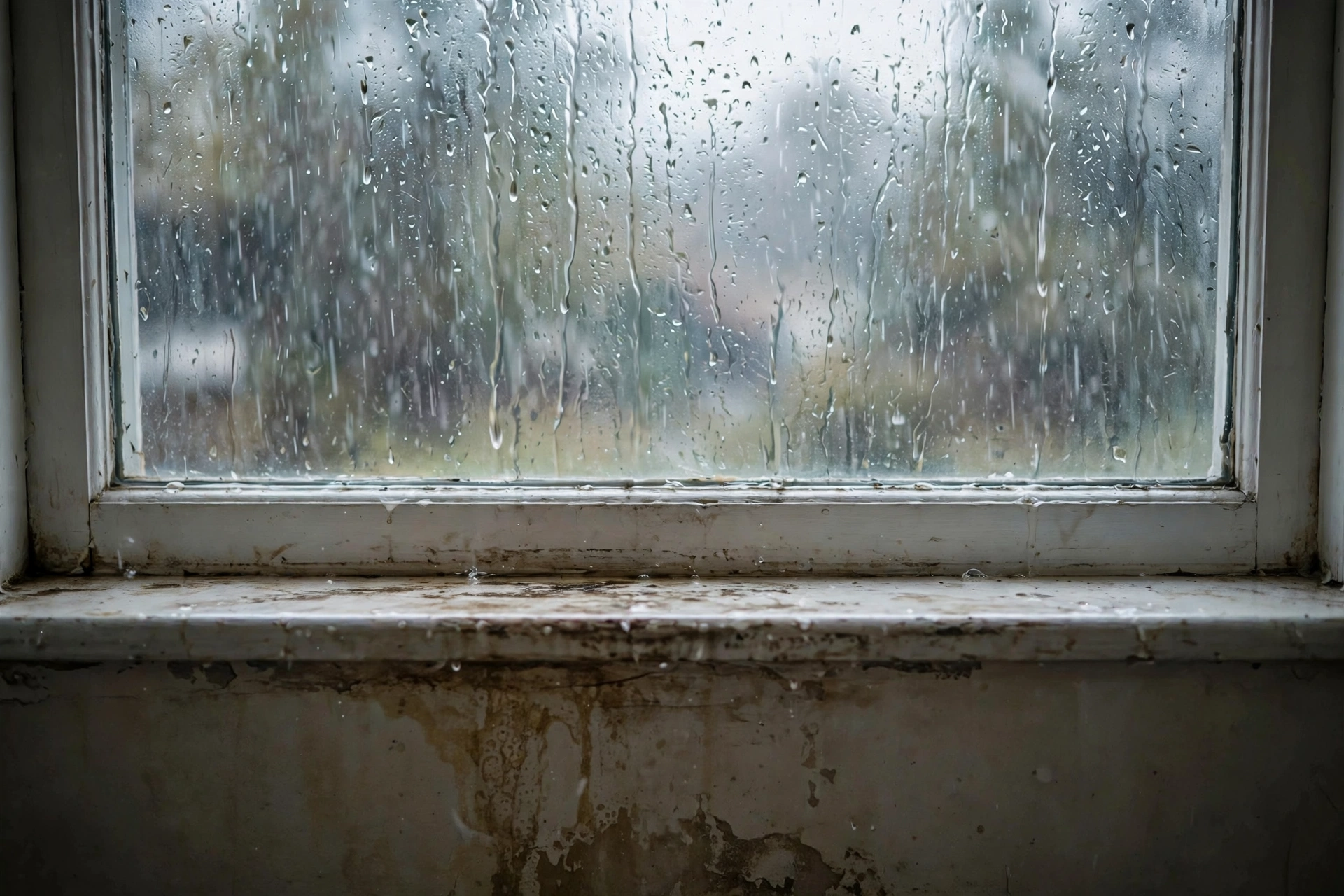
El Paso does not get much rain — until it does. The autumn storms rolling through the desert this week will dump more water on your home in a few hours than the past two months combined, and that is exactly when leaking windows make themselves known. You notice the damp sill, the water beading on the inside of the frame, or worse, a brown stain creeping down the drywall below the window.
The good news: not every leak means new windows. The bad news: some leaks that look small are quietly causing damage inside your walls. Here is how to tell the difference — and when window replacement options make more sense than another round of repairs.
Why El Paso Storms Punish Windows Differently
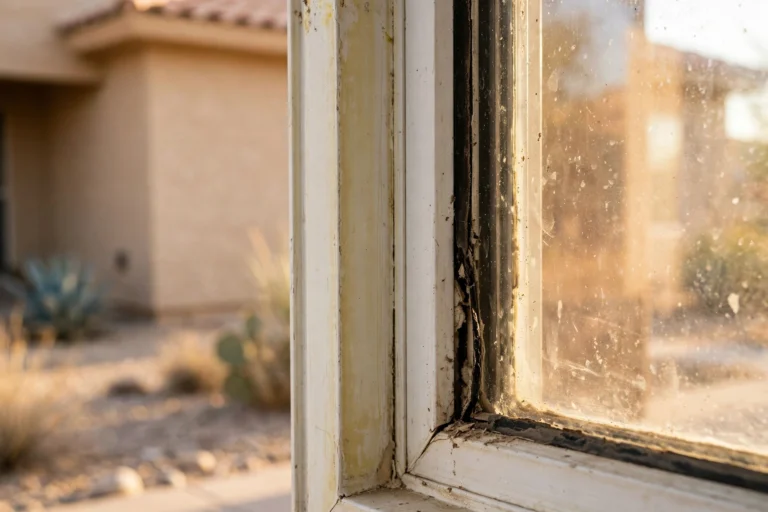
Most of the year, El Paso windows endure heat, UV, and dust. Sealants bake, caulk lines dry out and crack, and weatherstripping turns brittle. When a fast-moving thunderstorm finally arrives with sideways rain and gusty winds, it finds every one of those weakened joints. The monsoon-season storms are short but violent — wind-driven rain hits the window at an angle that standard test conditions never replicate.
Older single-pane windows and first-generation vinyl units are the worst performers. Their frames have endured decades of expansion and contraction from desert temperature swings, and the caulking that once kept water out has long since given up. If your windows leaked during the last big storm, they will almost certainly leak again in this one.
Leaks You Can Usually Fix Yourself
Before assuming the worst, check these three common culprits. Each is a genuine fix that costs little and can hold for years:
1. Cracked or missing exterior caulk
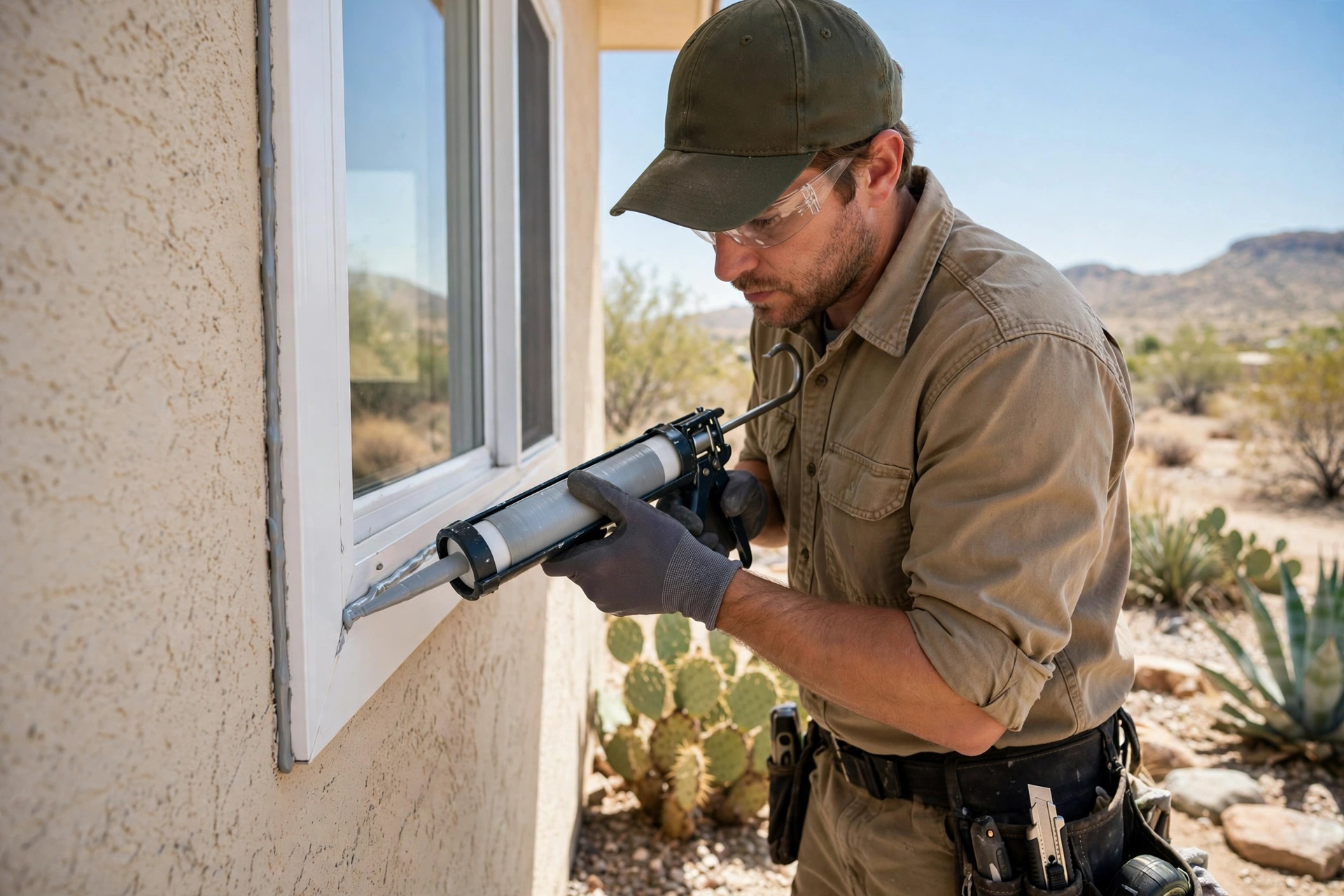
Walk around the house and look at the caulk line where each window frame meets the siding or stucco. If it is cracked, peeling, or missing in places, water has a direct path inside. Scrape out the old caulk, clean the joint thoroughly, and apply a fresh bead of high-quality exterior-grade sealant. In El Paso, choose a product rated for UV exposure and large temperature swings — cheap caulk will fail again within a season.
2. Blocked weep holes
Sliding windows and vinyl frames have small drainage channels (weep holes) at the bottom of the outer track. Dust and debris — plentiful in El Paso — clog them, and water that should drain outside backs up into the house. Clear them with a thin wire or pipe cleaner after every dust storm season.
3. Worn weatherstripping
If water mists in around the sash during heavy rain, the weatherstripping may be compressed or torn. Replacement strips are inexpensive and press into most window channels without tools. This is a repair well worth trying first.
Leaks That Mean the Window Is Finished
Some signs point to failure deeper than a surface fix can reach. If you see any of the following, repairs are throwing good money after bad:
Soft or rotting frame material
Press a screwdriver gently into the wood around a leaking window. If it sinks in, the frame is rotting — and rot spreads inside the wall where you cannot see it. Resealing a rotting frame just traps moisture against the damage.
Recurring leaks after recaulking
If you have recaulked a window and it leaks again in the next storm, the failure is not in the sealant. Failed flashing behind the stucco, a warped frame that no longer seats properly, or a damaged water-management system inside the wall are all likely — and all are replacement territory.
Condensation between the panes
Fogging or moisture trapped inside double-pane glass means the insulated unit’s seal has failed. No sealant on the outside can restore it. The window has lost its insulating gas and is performing like a single-pane unit while looking worse every day.
Water staining on drywall or bubbling paint
Interior stains below a window mean water is travelling inside the wall cavity, not just along the frame. That moisture can feed mould and damage insulation and framing. A new window installed with proper modern flashing solves the entry point correctly — caulk over the surface does not.

Still unsure? The repair vs replace guide walks through the full decision in detail.
Why Storm Season Is the Smart Time to Replace
Homeowners often put off window work until “someday” — but scheduling replacement right after a storm season exposes the problem has real advantages:
- You know exactly which windows fail. A storm is a free diagnostic. The windows that leaked are the ones to prioritise, so you replace with evidence instead of guesswork.
- Damage does not wait. Every storm that hits a leaking window pushes more water into your walls. Replacing sooner stops the compounding repair bill inside the wall cavity.
- Autumn installation beats summer. Crews work faster and more comfortably in El Paso’s mild autumn weather than in 100°F heat, and the full-home installation process stays on schedule without heat delays.
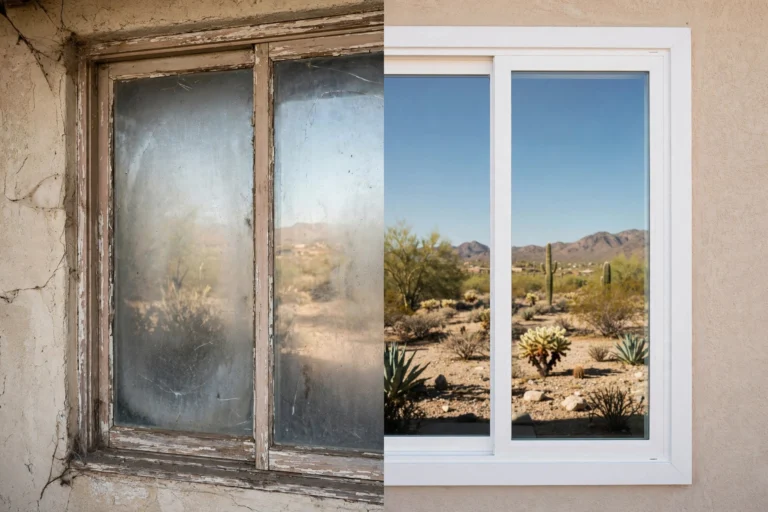
- Modern windows are built for this. Today’s replacement units arrive with multi-point locking that compresses seals evenly, integrated drainage systems, and Low-E glass that also blocks the UV that destroyed the old caulk. They are engineered for exactly the wind-driven rain El Paso storms deliver.
What Proper Replacement Looks Like
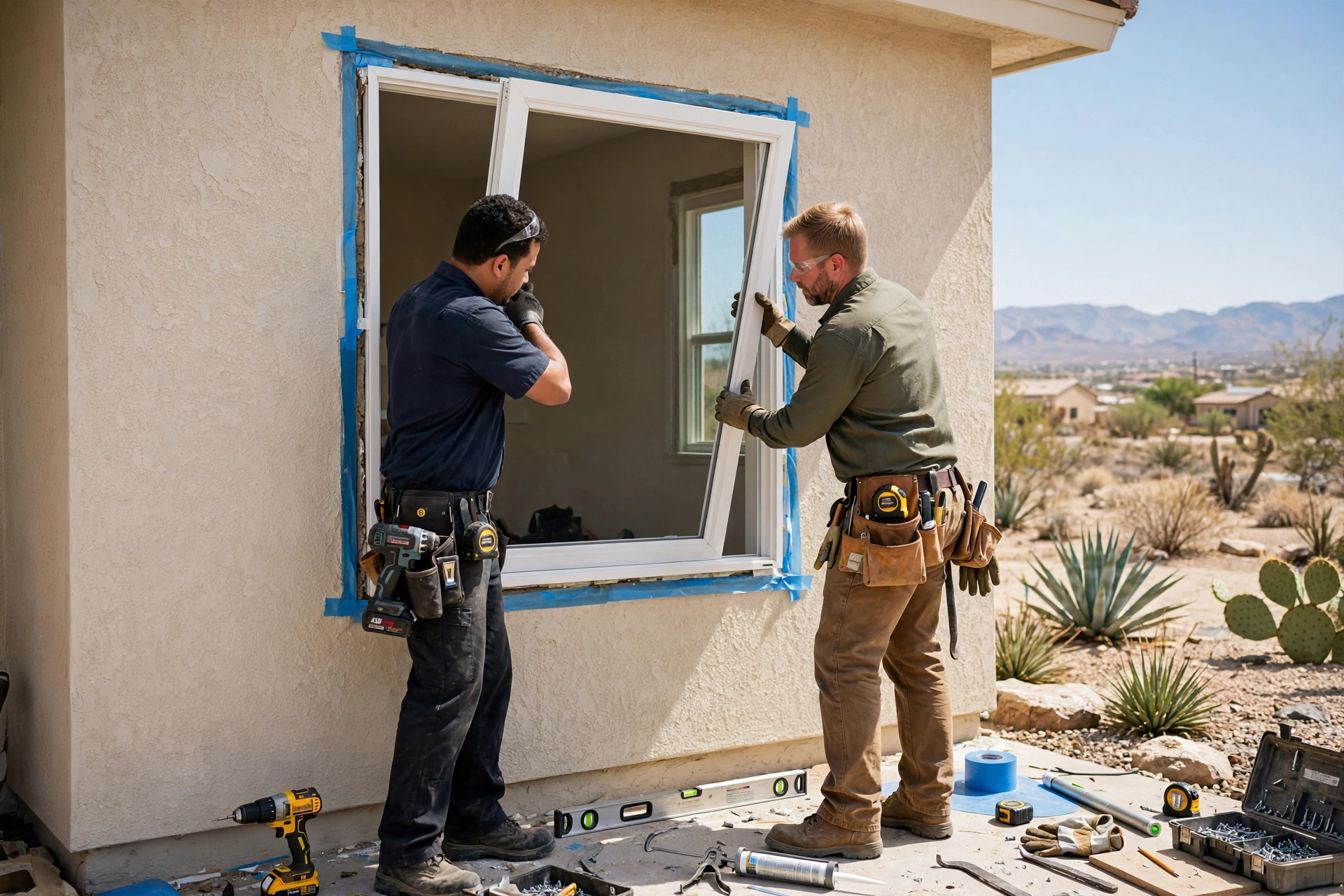
A proper replacement is not just a new window dropped into the old hole. The old unit comes out completely, the opening is inspected for hidden water damage and repaired, modern flashing is installed to direct water out and away from the wall, and the new window is sealed, insulated, and trimmed. It is a full-day job done right — which is why choosing experienced local installers matters more than choosing the cheapest quote.
For a realistic sense of scheduling, see how long a typical project takes in El Paso, and browse your services for the full range of options. If draughts are your main complaint rather than leaks, the fix drafty windows guide covers the quick wins.
Frequently Asked Questions
Can I just recaulk and wait until next year?
If the frame is solid and this is the first leak, recaulking is a reasonable stopgap. But if the same window leaked last storm season too, the underlying failure is still there, and another year of storms means another year of water inside your walls. Get a professional assessment before deciding.
Does homeowners insurance cover storm-damaged windows?
Sudden storm damage — like a window shattered by wind-blown debris — is often covered. Gradual leaks from worn seals and deferred maintenance generally are not. Check your policy, and document any storm-related damage with photos as soon as you see it.
How fast can leaking windows be replaced in El Paso?
Standard replacement projects are typically measured and installed within one to three weeks, depending on the number of windows and frame type. Emergency storm damage can often be secured the same day. Call (915) 288-9621 for an honest timeline based on your situation.
Will new windows really stop leaks during monsoon storms?
Yes — when installed correctly. Modern replacement windows combine better seals, drainage channels, and proper flashing, and they are rated for wind-driven rain far beyond what El Paso storms deliver. The key is the installation: correct flashing is what keeps water out of the wall, not just the glass.
Do Not Wait for the Next Storm to Decide
El Paso’s storms are short, but the water they push into a leaking window stays in your walls long after the sky clears. If this week’s rain found a way in, that is your windows telling you exactly what needs attention. Call (915) 288-9621 for a free in-home assessment — we will show you which windows can be repaired, which ones need replacement windows, and give you honest pricing with no pressure.