
Single-Hung vs Double-Hung Replacement Windows for El Paso Homes
Single-Hung vs Double-Hung Replacement Windows for El Paso Homes
Walk down almost any El Paso street and you will see the same window style again and again: two sashes stacked one above the other, with a horizontal rail in the middle. From the pavement, a single-hung window and a double-hung window look identical. The difference only shows when you try to open them — and that difference matters more in El Paso than in most cities, because how a window moves air decides how comfortable a room feels on a hot afternoon.
If you are planning window replacement options for your home, this guide explains how each style works, where each one wins, and which rooms in an El Paso home suit each type best.
What Is a Single-Hung Window?
A single-hung window has two sashes, but only the bottom one moves. The top sash is fixed in place. You slide the lower sash up to let air in, and slide it back down to close the window.
Because only one sash operates, a single-hung window has fewer moving parts, fewer seals and a simpler balance mechanism. That simplicity is its main selling point: fewer parts to wear out, a tighter seal when closed, and usually a lower price per window than a comparable double-hung unit.

The trade-off is ventilation and cleaning. Air only enters through the bottom half of the opening, so warm air trapped near the ceiling has no direct way out. And on a second storey, the fixed top sash cannot tilt in, so its outside face has to be cleaned from outside — a ladder job, or a job left undone.
What Is a Double-Hung Window?
A double-hung window looks the same from outside, but both sashes move. You can slide the bottom sash up, the top sash down, or open both at once. On most modern units, both sashes also tilt inward for cleaning.
That second moving sash changes how air moves through a room. Warm air rises, so opening the top sash lets hot air escape while the bottom sash draws cooler air in. This natural circulation loop — sometimes called the stack effect — is something a single-hung window simply cannot do. In an upstairs bedroom that bakes through an El Paso afternoon, opening both sashes can make the room feel noticeably fresher within minutes.

Double-hung windows also win on cleaning and safety. Both sashes tilt in, so every pane can be washed from inside the house, no ladder needed. And with children or pets in the room, you can vent through the top sash while the bottom sash stays shut — fresh air without an opening a small child could climb through.
The price of that flexibility is complexity: two operating sashes mean more hardware, more seals and more parts that eventually need attention. Double-hung windows typically cost more per window than single-hung ones, and a worn balance or seal on either sash can affect how smoothly the window operates.
Single-Hung vs Double-Hung at a Glance
The quick version: single-hung windows are simpler, usually cheaper and seal tightly, but ventilate only from the bottom and are harder to clean upstairs. Double-hung windows cost more and have more moving parts, but they ventilate far better, clean fully from inside, and give you safer ventilation around children and pets. Neither style is inherently more energy efficient — what decides efficiency is the glazing package, the frame material and the quality of the installation, not how many sashes move.
Which Style Suits El Paso’s Heat?
El Paso’s long, hot summers put ventilation and heat control at the top of the list. That tilts the balance toward double-hung windows in the rooms where heat builds up most: west-facing rooms, upstairs bedrooms and kitchens. In those rooms, the ability to vent hot air from the top sash is a genuine comfort advantage, not a gimmick.
Single-hung windows still make sense where ventilation is rarely needed or the window is rarely opened — a guest bedroom, a formal dining room, or a ground-floor window you mostly keep shut. They also suit a tight budget on a large project: on a whole-house job, choosing single-hung for the low-priority rooms and double-hung for the hot rooms can keep the total down without giving up comfort where it counts. Many El Paso homeowners mix the two styles this way, and from the street nobody can tell.
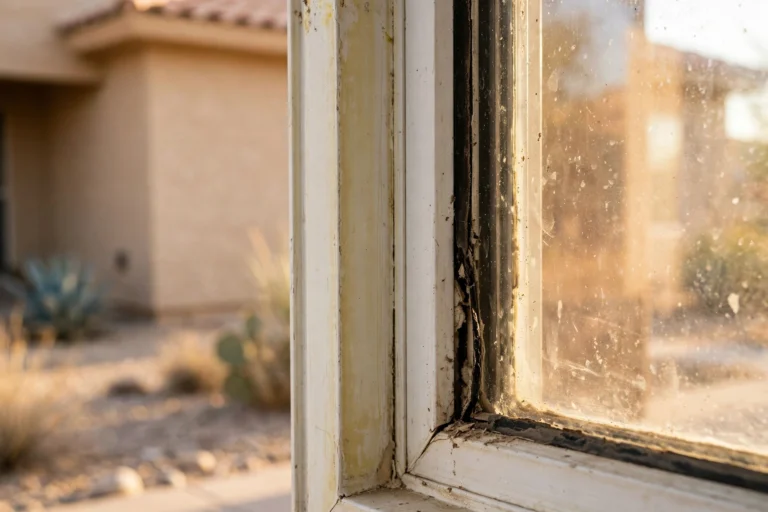
One more El Paso factor: dust. The desert air carries fine dust that settles in tracks and balances. Whichever style you choose, smooth-running tracks and intact weatherstripping matter more here than in milder climates, because a window that does not close fully leaks cooled air all summer. If your current windows stick, rattle or refuse to stay open, that is usually a sign the hardware — not just the style — has reached the end of its life.

Room-by-Room: Where Each Style Wins
Upstairs bedrooms: double-hung. Heat rises to the second storey, and tilt-in cleaning removes the ladder problem entirely.
Bathrooms: double-hung. Steam clears faster when the top sash vents, and top-only ventilation keeps privacy intact.
Kitchens: double-hung. Cooking heat and odours escape through the top sash without running the exhaust fan all evening.
Ground-floor living rooms: either. If the room has several windows or a patio door for cross-breeze, single-hung ventilation is usually enough.
Rooms you rarely open: single-hung. Simpler, cheaper and perfectly adequate where the window stays shut most of the year.
And remember the frame matters as much as the style. If you are still deciding on materials, our guide to fiberglass or vinyl frames covers how each one handles El Paso heat. For a sense of what a whole-house project costs, see our guide to replacement window costs for a typical three-bedroom home.
Getting the Installation Right
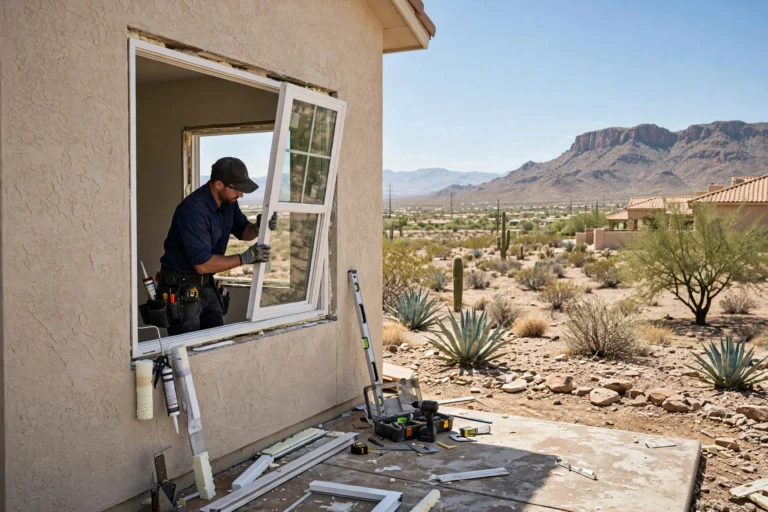
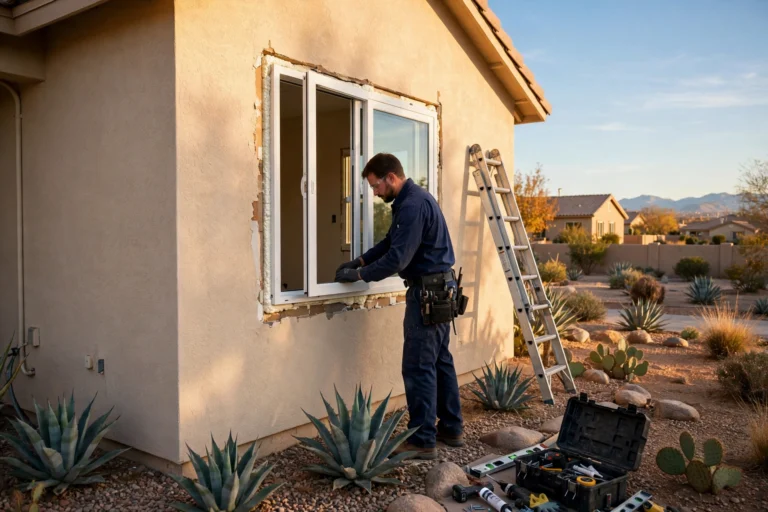
Whichever style you pick, the installation decides whether it performs. A double-hung window fitted out of square will not seal at either sash; a single-hung window with a worn balance will not stay open. Precise measuring, proper shimming and a continuous seal around the frame are what turn a good window into a window that actually keeps the heat out. That is why a full-home window installation is worth planning as one project rather than a series of one-off swaps: consistent fitting, consistent seals and one crew that knows every opening in your home.
Frequently Asked Questions
Can you tell single-hung and double-hung windows apart from outside?
No. Closed, they look identical. The difference is only in how the sashes move.
Are double-hung windows worth the extra cost?
For upstairs rooms, bathrooms and kitchens, most homeowners say yes — the ventilation and tilt-in cleaning pay off daily. For rooms you rarely open, single-hung gives you the same look for less.
Do double-hung windows leak more air?
A well-built modern double-hung window with intact weatherstripping seals just as well as a single-hung one. Air leakage is driven by build quality and installation, not by sash count alone.
Can I mix single-hung and double-hung windows in one home?
Yes. Mixing styles by room is common, and from outside the two styles are indistinguishable, so your home’s look stays consistent.
Which style lasts longer in El Paso?
Both last a similar time when properly installed. Single-hung units have fewer parts to wear out; double-hung units need their balances and seals checked a little more often, especially in dusty conditions.
Ready to Choose?
The right answer depends on your rooms, your budget and how you live in your home — not on a one-size-fits-all rule. If you are weighing window replacement options for your El Paso home, talk to our local window team for a straight answer on which style suits each room. Call (915) 288-9621 for a free estimate, and we will measure your openings, show you both styles side by side, and give you an honest recommendation — room by room.