
Vinyl vs Fiberglass Windows for El Paso’s Heat
Vinyl vs Fiberglass Windows for El Paso’s Heat
When El Paso homeowners replace old windows, most of the attention goes to the glass — double pane, triple pane, low-E coatings. That is fair, but the frame holding that glass matters just as much, and in this city it matters more than almost anywhere else. A window frame here bakes in direct sun for hours a day, swings between scorching afternoons and cool desert nights, and takes a steady beating from UV. Today, with the high near 30°C even in late October, your frames are working hard. So when it comes to the two most popular frame materials — vinyl and fiberglass — which one actually holds up to El Paso’s heat? Here is an honest, no-sales-pitch comparison.
Why the Frame Material Matters More in El Paso
A window is a system: glass, frame, seals, and hardware all working together. In a mild climate, the frame is mostly a cosmetic choice. In the desert, it is a performance choice. Frames expand when they heat up and shrink when they cool down. Do that thousands of times over twenty summers and the movement starts to matter — stressed seals, cracked corners, and frames that no longer sit square in their openings. A warped frame can break the seal around the glass, which is how you end up with fog between the panes or a draught you can feel on a cold night. So the question is not really which material looks nicer on day one. It is which one stays straight, sealed, and strong through years of El Paso weather.
Vinyl Windows: The Affordable Workhorse
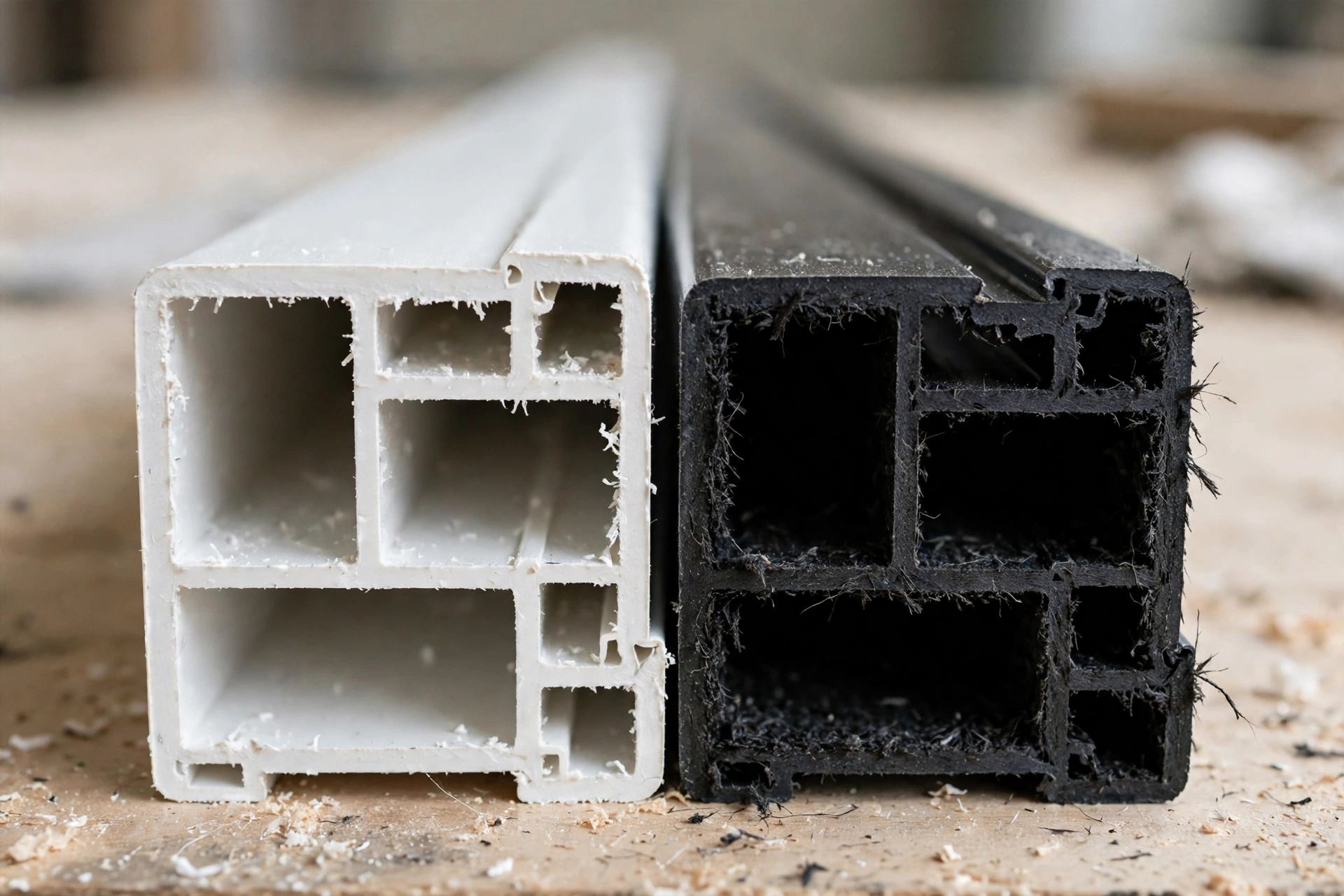
Vinyl — technically rigid PVC — is the most common replacement window frame in America, and it is easy to see why. Vinyl windows are affordable, which puts full-home window installation within reach for many budgets. The material never needs painting, resists moisture, will not rot, and the hollow chambers inside the frame provide decent insulation when the window is new. They come in plenty of styles, are available from almost every manufacturer, and can usually be ordered and installed quickly. For a straightforward replacement on a budget, vinyl is a sensible choice, and plenty of El Paso homes are perfectly happy with it.
Where Vinyl Struggles in Desert Heat
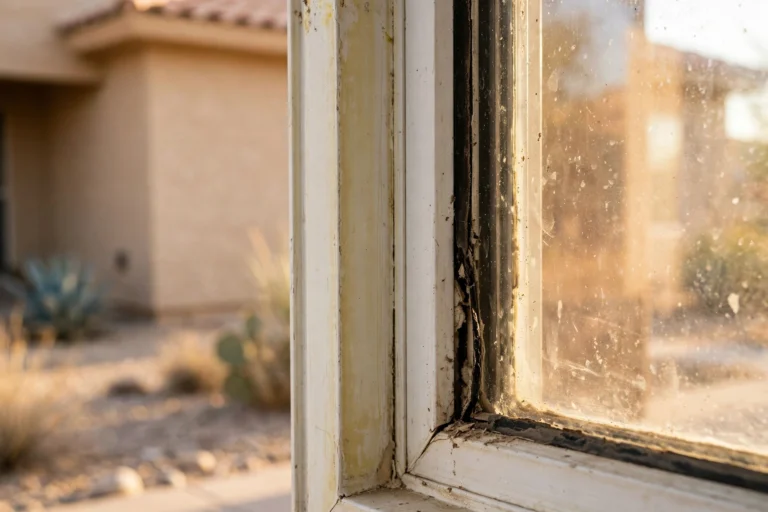
Vinyl’s weakness is movement. PVC expands and contracts significantly with temperature changes — far more than glass does. In a climate with mild seasons, that movement is harmless. In El Paso, where west- and south-facing windows can sit in brutal afternoon sun through a long summer, years of that cycling put real stress on the window. Over time, heavily sun-beaten vinyl can warp, twist, or develop gaps at the corners, and that movement tugs at the seals around the glass. Dark-coloured vinyl is the worst affected, because dark colours absorb far more solar heat than white or cream. UV exposure also wears on vinyl’s surface: colours can fade or take on a chalky look, and the frame’s insulating performance can quietly degrade as seals age. One more limitation worth knowing: vinyl cannot really be repainted. The colour baked into the frame at the factory is the colour you live with.

Fiberglass Windows: Built for Tough Climates
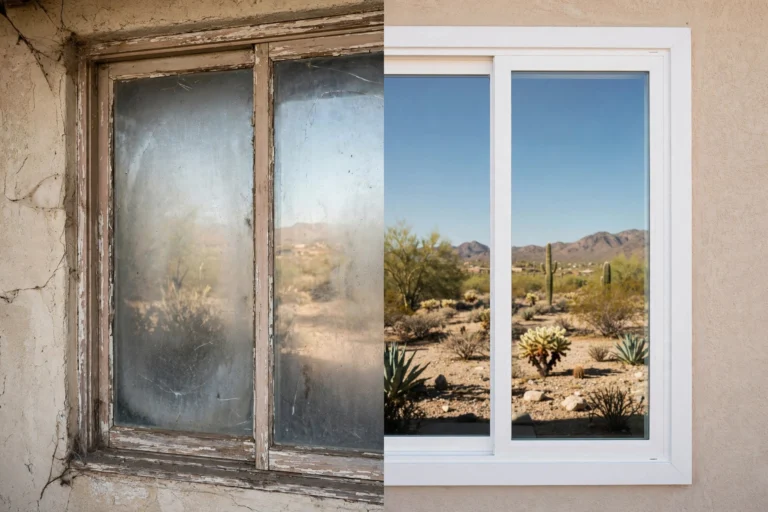
Fiberglass frames are made from a composite of glass fibres and resin — essentially the same family of material as the glass they hold. That is their superpower: fiberglass expands and contracts at almost the same rate as the window glass itself, so the frame and the glass move together instead of fighting each other. The result is a window that stays square and keeps its seals intact through far more heat cycles than vinyl typically survives. Fiberglass is also much stronger than vinyl, which means frames can be made slimmer while staying rigid — more glass area, less frame, better views. It takes paint properly, so you can refresh the colour years down the line, and it handles dark finishes in full sun far better than dark vinyl ever could. For a house with sun-pounded exposures, that stability is a genuine comfort and durability advantage, and it is part of why fiberglass windows tend to outlast vinyl in harsh climates.
The Honest Downsides of Fiberglass
Fiberglass is not the answer for everyone, and you should know the trade-offs before you fall in love with it. First, cost: fiberglass windows carry a noticeably higher upfront price than comparable vinyl windows, and for a whole-house project the difference adds up. Second, choice is narrower — far fewer manufacturers make fiberglass windows, so there are fewer product lines, fewer style options, and typically longer lead times from order to installation. Third, fiberglass frames are heavier and demand experienced installers; a sloppy install will waste the material’s advantages. None of these are deal-breakers, but they are real factors in the decision, especially if you need windows quickly or the budget is tight.
Vinyl vs Fiberglass: Head to Head
Here is the short version for anyone deciding today:
| Vinyl | Fiberglass | |
|---|---|---|
| Upfront cost | Lower | Higher |
| Heat stability | Expands noticeably in heat | Barely moves; matches glass |
| Lifespan in desert sun | Good, shorter on sun-beaten faces | Longer |
| Paintable | No — factory colour is permanent | Yes |
| Dark colours in full sun | Risky — absorbs heat, can warp | Handles them well |
| Maintenance | Very low | Low; repaint optional |
| Availability | Wide, short lead times | Narrower, longer waits |
Which Material Suits Your El Paso Home?
There is no universal winner — there is only the right choice for your house, your budget, and your plans. Lean towards vinyl if keeping the project affordable is the priority, if you like standard white or light colours, if you need the windows installed soon, or if you plan to be in the home for a decade or so rather than for life. Vinyl remains a perfectly respectable material, and a well-made vinyl window installed properly will serve most homes well. Lean towards fiberglass if your windows sit on west- or south-facing walls that take the full force of the afternoon sun, if you want dark frames, if you plan to stay in the home long term and want the longest service life, or if you are doing the whole house and want a uniform, premium result. Homeowners who have already wrestled with the bigger question of timing may also want to revisit how long windows last in El Paso conditions — the frame material is a big part of that answer.

The Installation Matters as Much as the Material
Here is the part no brochure will tell you: the finest fiberglass window in the world will underperform if it is installed badly, and a mid-range vinyl window will do fine if the install is excellent. Proper flashing, careful sealing, a frame set square and true, insulation around the opening — this is the craft that decides whether your new windows actually keep the heat out and the cool air in. That is why choosing the installer matters at least as much as choosing the material. Our El Paso window team walks you through the vinyl-versus-fiberglass decision for your specific exposures and budget, then installs the winner properly. If you are weighing the broader costs, our guide to energy-efficient windows breaks down where the savings actually come from.
Frequently Asked Questions
Do fiberglass windows really last longer in El Paso heat?
As a rule, yes. Because fiberglass barely moves with temperature changes, its seals and corners stay intact through far more heat cycles than vinyl, which translates into a longer working life — especially on west- and south-facing windows.
Can vinyl windows warp in the El Paso sun?
They can, particularly dark-coloured vinyl on sun-beaten exposures. Light-coloured vinyl on shaded or north-facing walls holds up much better. Warping usually shows up as sticking sashes, visible gaps, or fogging between the panes when seals fail.
Can you paint vinyl windows?
Not reliably. Paint adheres poorly to vinyl and can void the manufacturer’s warranty. If you want a custom or changeable colour, fiberglass is the material designed for it.
Which is better for energy bills in El Paso?
Both beat old single-pane or failing windows by a wide margin. Fiberglass has a modest edge over the long term because it keeps its seals and insulating performance intact longer in extreme heat. But the glass package — double pane, low-E, argon fill — influences bills more than the frame does.
Should I mix vinyl and fiberglass windows in one house?
You can — for example, fiberglass on the brutal west face and vinyl elsewhere — but most homeowners prefer a uniform look and a single warranty. Mixed materials also complicate future maintenance and colour matching.
Ready to choose the right windows for your home? Call (915) 288-9621 for a free consultation and an honest recommendation based on your home’s sun exposure, budget, and plans — vinyl, fiberglass, or a mix, installed properly the first time.