
Window Replacement for Rental Properties in El Paso — a Landlord’s Guide
Window Replacement for Rental Properties in El Paso — a Landlord’s Guide
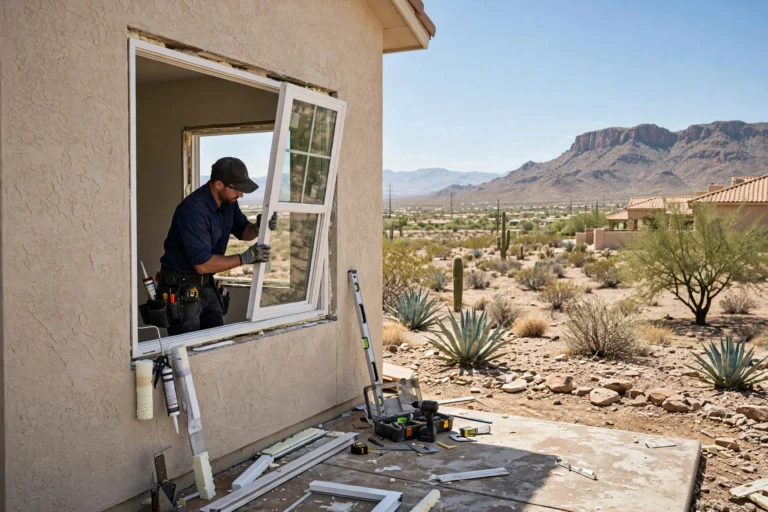
For a landlord, a window is rarely just a window. It is the thing a tenant notices on a hot August afternoon, the reason a heating bill looks wrong in January, and the first item on a move-out inspection that turns into a dispute. In El Paso, where summer heat punishes weak seals and desert dust finds every gap, old windows cost landlords money in ways that do not always show up on a single invoice. Replacing them at the right time — with the right product and the right plan — is one of the most practical upgrades a rental owner can make.
This guide looks at rental window replacement through a landlord’s lens: what to prioritise, what to spend on, how to work around tenants, and how to phase the job across a portfolio without losing a month of rent.
Why landlords should treat windows as an investment, not a repair bill
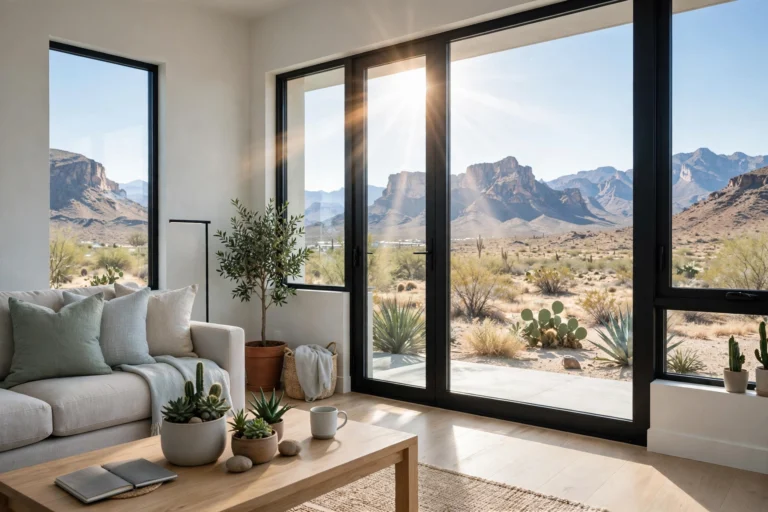
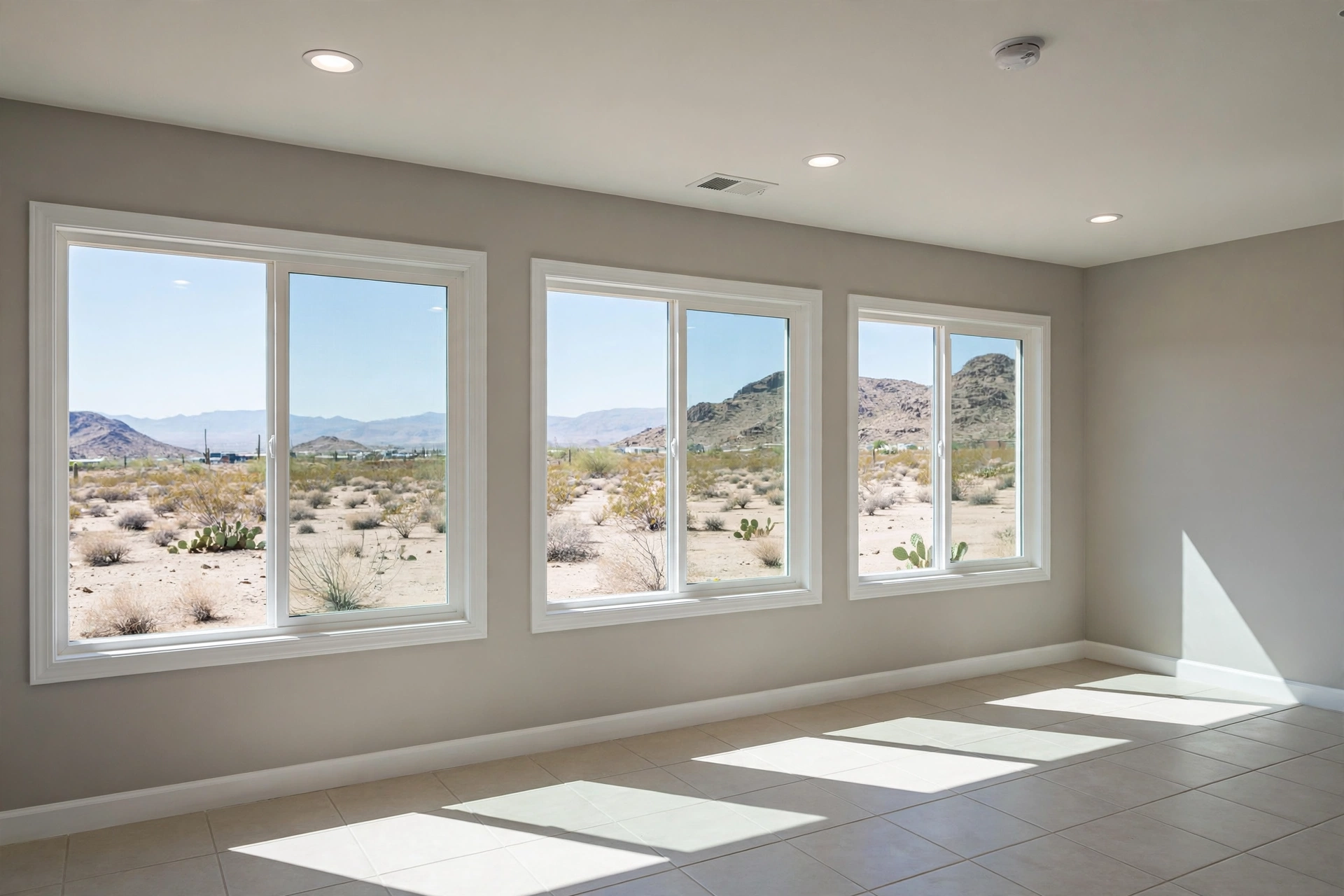
Owner-occupiers replace windows for comfort. Landlords replace them for returns, and the returns show up in several places at once. New double-pane windows with Low-E glass cut the heat pouring through west-facing glass, which means tenants run the air conditioning less hard and complain less often. Tighter seals keep out dust and street noise, which helps good tenants stay longer. And a property that photographs well, with clean, modern windows, lets faster and usually at a stronger rent than an identical unit with fogged, sticking originals.
There is also the repair treadmill to consider. A single stuck sash or failed seal can be patched, but when three or four windows in one unit are failing, the call-outs start to cost more than the windows would have. Landlords who track maintenance spend often find that replacement breaks even faster than expected — not because of one dramatic saving, but because the drip of small repairs, tenant complaints and vacancy gaps finally stops.
Signs a rental’s windows are costing you money
Walk a unit with fresh eyes at your next turnover, or ask your property manager to flag these during inspections. Any one of these is worth noting; two or more in the same property usually means replacement beats another round of repairs.
- Drafts tenants can feel. Hold a hand near a closed window on a windy day. If air moves, the seal has failed and conditioned air is escaping around the clock.
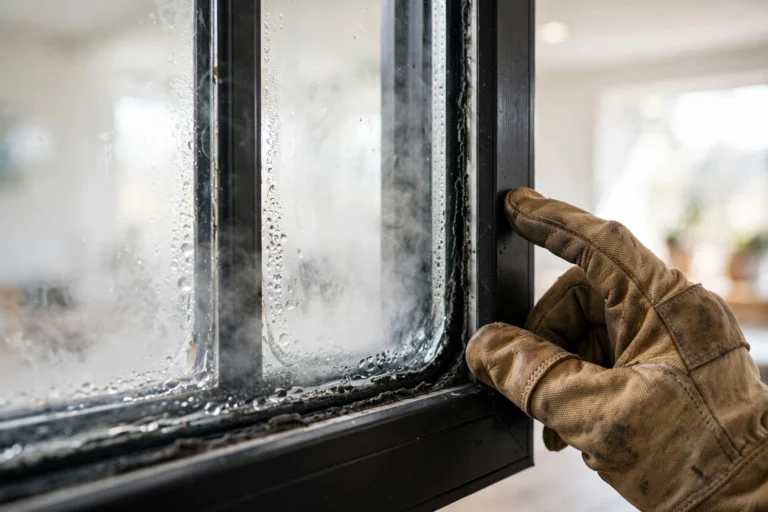
- Fog between the panes. Condensation trapped inside double glazing means the insulating seal is gone. The window looks dirty no matter how often it is cleaned, and tenants notice.
- Windows that stick, jam or will not lock. A window that cannot be secured is a safety issue as well as a comfort one, and in Texas a landlord is generally expected to keep rental windows in working, lockable order.
- Single-pane glass. Original single panes in older El Paso homes offer almost no insulation against summer heat. They are usually the first thing worth upgrading.
- Repeat complaints about heat, dust or noise. When different tenants raise the same issue, the building is telling you something. Believe it.

What to choose for a rental: durability first
Rental windows need to survive tenants, not just impress buyers. That changes the specification in a few important ways.
Vinyl frames are the workhorse. They are affordable, need almost no maintenance, never need painting, and handle El Paso’s heat cycles well. Fibreglass frames are tougher still and worth considering for long-hold properties, but for most rentals vinyl delivers the best balance of cost and durability. If you are weighing the two materials in detail, our comparison of vinyl vs fibreglass sets out how each performs in desert heat.
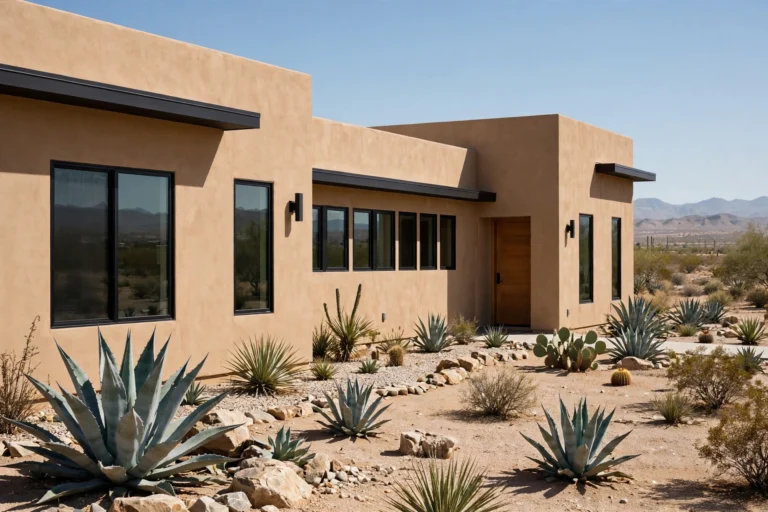
Double-pane, Low-E glass as standard. Low-E coatings reflect solar heat before it enters the room, which matters enormously on south- and west-facing elevations. In a rental, this is not a luxury upgrade — it is the feature that keeps summer complaints down.
Simple, standard operation. Double-hung or sliding windows with straightforward locks are easier for tenants to use and cheaper to maintain than complex hardware. Avoid unusual sizes and custom shapes in rentals where you can: standard sizes mean faster replacement if a pane is ever damaged.
Locks and screens included. Every rental window should lock securely and arrive with an intact screen. Tenants in El Paso want to open windows on mild evenings without inviting in dust and insects, and a missing screen becomes a maintenance ticket within weeks.
Working around tenants: the part landlords worry about most
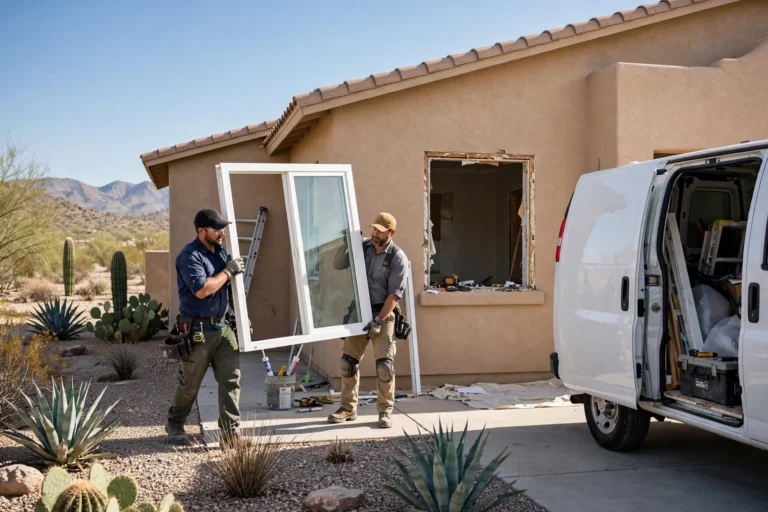
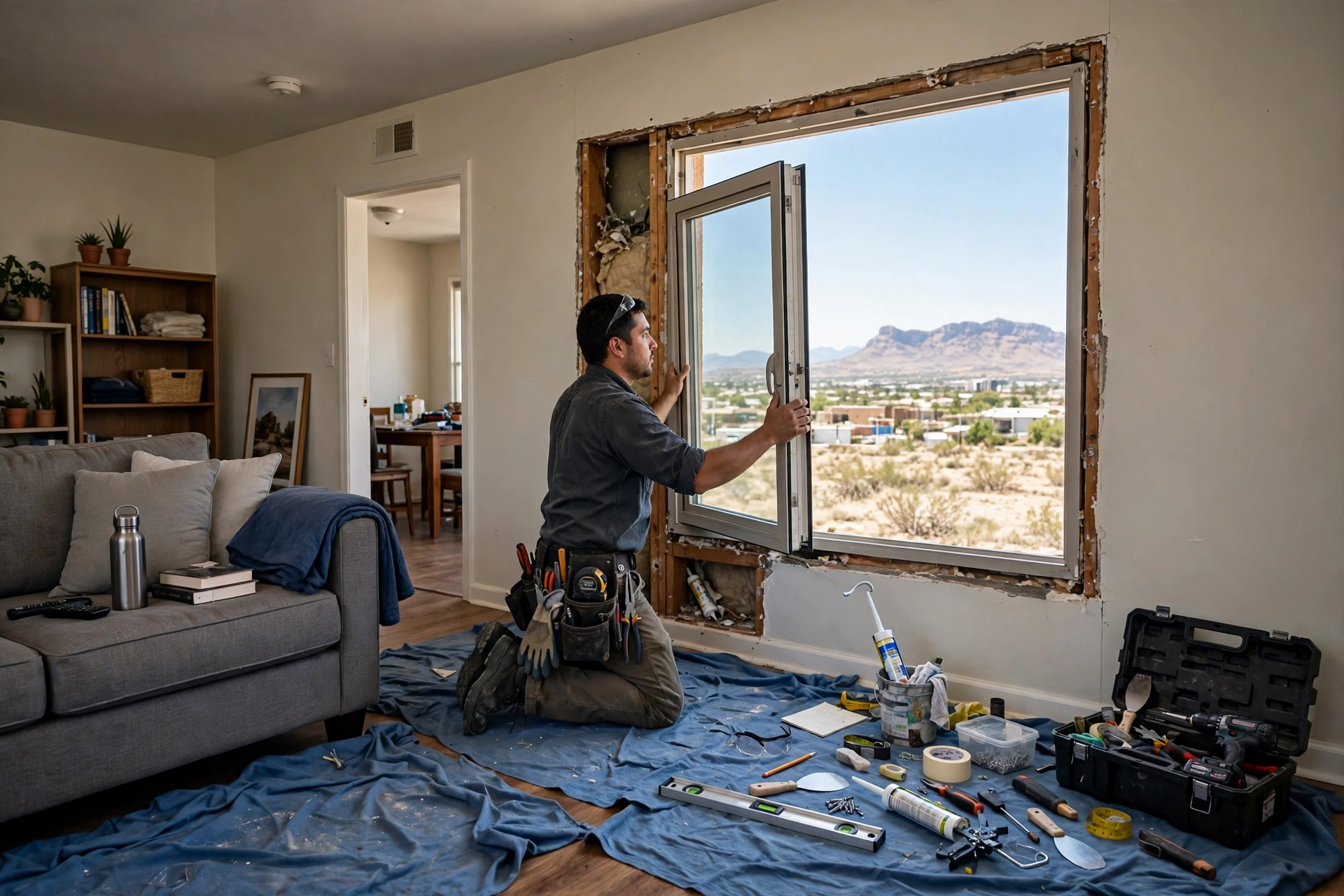
Replacing windows in an occupied rental is entirely doable, but it needs more planning than the same job in an empty house. A good installer will work room by room, so a tenant is never left with an open wall overnight, and most individual windows take under an hour to swap once the crew is set up.
Give tenants clear, written notice of the schedule, including which rooms are affected on which days and how long each room will be out of use. Tenants are far more accommodating when they know the plan in advance — and when they understand the new windows will make their home cooler and quieter. Where possible, schedule the noisiest work for mid-morning, keep the crew to the agreed rooms, and confirm at the end of each day that every window is closed, locked and sealed.
If a unit is turning over anyway, that is the ideal moment. A vacant week between tenants lets a crew replace a whole property’s windows without any access complications, and the fresh windows go straight into the listing photographs. For landlords planning a full-property job, our guide to full-home window installation explains how a whole-home project is sequenced.
Budgeting and phasing across a portfolio
Few landlords replace every window in every property at once, and there is no need to. A sensible phasing plan starts with the worst performers: west-facing rooms, units with repeat complaints, and properties coming up for re-let. Replace those first, then work through the portfolio as leases turn over.
Budget by property, not by window. A per-window figure is useful for comparison, but the real cost of a job includes the number of openings, the frame material, any stucco or trim repair, and disposal of the old units. Our breakdown of 3-bedroom replacement costs shows how those pieces add up for a typical house. Get a written quote per property, keep the specification identical across your portfolio where possible, and you will find later jobs get faster and easier to price.
One more landlord tip: keep a simple record for each property — window count, material, glass type and install date. When a tenant later reports a problem, that record tells you in seconds whether the unit is under warranty and what was fitted.
What to ask your installer before you sign
- Is the warranty transferable if I sell the property, and does it cover both the window and the installation?
- How do you protect stucco and interior finishes during removal, especially on older El Paso homes?
- Can you work room by room in an occupied rental, and how do you secure each opening at the end of the day?
- Do you handle disposal of the old windows, and is that included in the quote?
- Can you match the same specification across several properties so my portfolio stays consistent?
Clear answers to those five questions separate a crew that understands rental work from one that only does owner-occupied jobs.
Frequently asked questions
Should I replace windows between tenants or while a unit is occupied?
Between tenants is simplest, because the crew has full access and the new windows feature in the listing. Occupied replacements work well too, provided tenants get written notice and the work is done room by room — just allow a little extra time for coordination.
Are new windows tax-deductible for landlords?
Window replacement on a rental is generally treated as a capital improvement rather than a routine repair, which affects how it is claimed. Tax rules change and every portfolio is different, so confirm the treatment with your own accountant before you budget on that basis.
How long does window replacement take in a rental home?
Most single homes are completed in one to two days, depending on the number of windows. A crew typically replaces several windows per day, working one room at a time so the home stays secure overnight.
Do tenants care about new windows?
Yes — often more than landlords expect. Cooler rooms, less dust, less street noise and windows that actually open and lock are exactly the things tenants mention in reviews and renewals. They are also visible in photographs, which helps a listing stand out.
Can I replace just the worst windows and leave the rest?
You can, and many landlords phase the work that way. Start with the rooms facing the harshest sun and the units generating the most complaints, then complete the property at the next turnover.
Get a rental-property window quote in El Paso
If your rentals are generating repeat window complaints, or you are planning upgrades between tenants, talk to a local team that understands rental work. For window replacement options tailored to your properties — including portfolio pricing and phased scheduling — call our local window team on (915) 288-9621 for a free, no-pressure quote.