
Should You Replace All Your Windows at Once or One at a Time?
Should You Replace All Your Windows at Once or One at a Time?
Stand in your living room and count your windows — then imagine the price tag of replacing every one of them in a single week. It is no surprise that most El Paso homeowners ask the same question: do I bite the bullet and do them all at once, or spread the job out and replace old windows one at a time? With storms forecast this weekend and temperatures set to drop into the low teens next week, draughty windows are about to make themselves felt. Here is an honest breakdown of both approaches so you can choose the one that fits your home, your budget, and your patience.
The Case for Replacing All Windows at Once
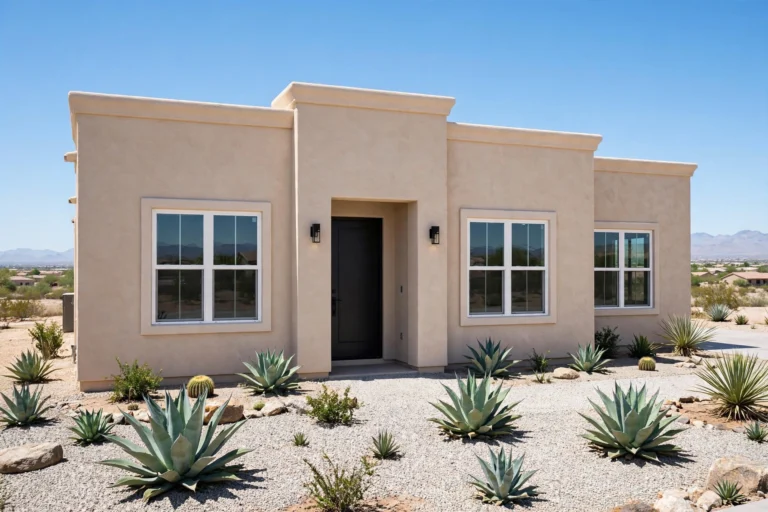
Doing the whole house in one project has some clear advantages. First, you get a uniform result — every window matches in style, frame colour, and glass performance, which keeps the exterior looking sharp and the interior feeling consistent. Mix old and new windows and the difference is often visible from the street.
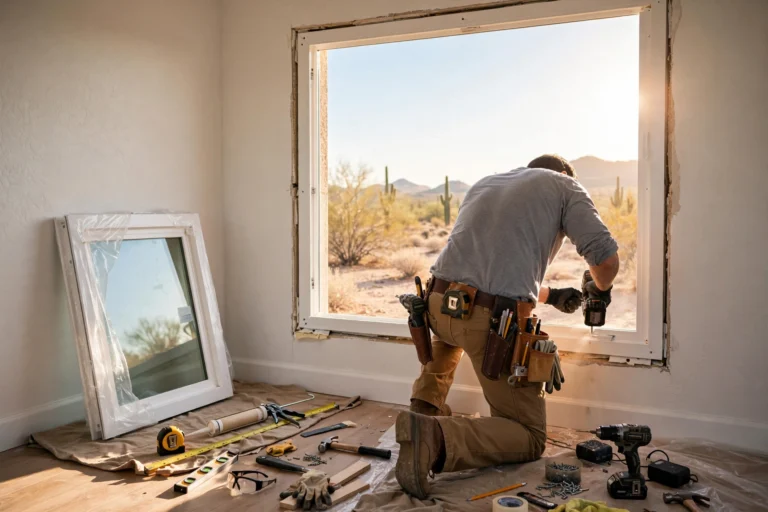
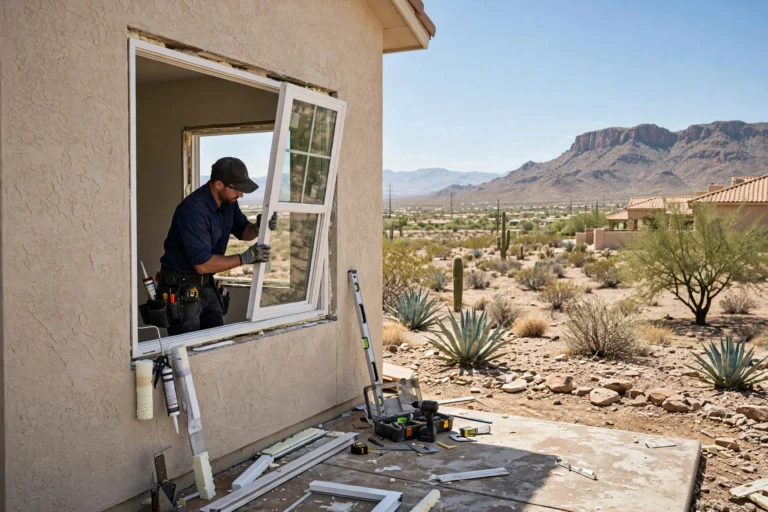
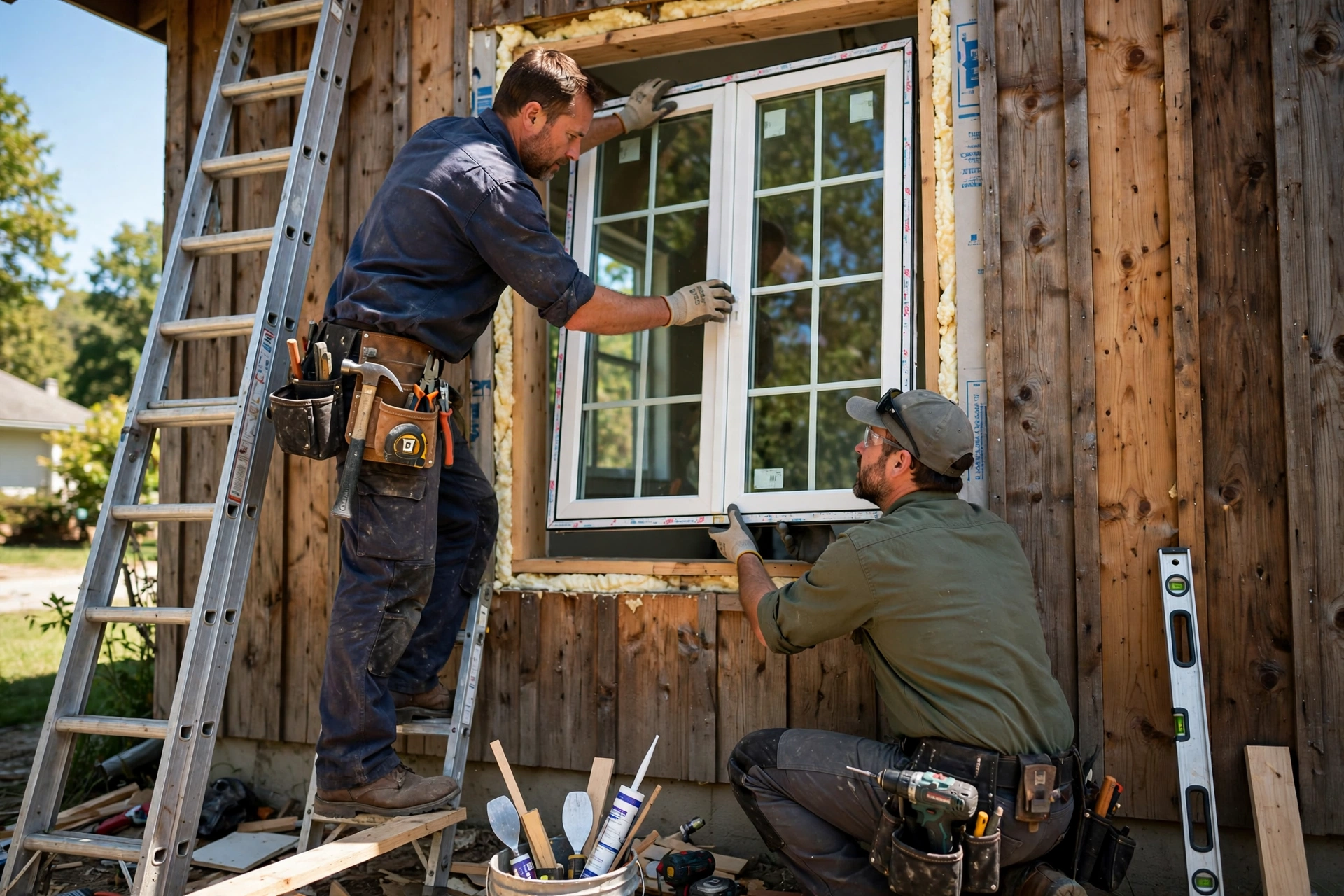
Second, there is only one round of disruption. Installers work through the house room by room, and a full home replacement is usually finished in a day or two, depending on the number of windows. You move the furniture once, clear the schedules once, and it is done — rather than repeating the process every few months. If you want a realistic sense of scheduling, our guide on the replacement timeline walks through what a typical project looks like.
Third, your home’s energy performance improves everywhere at the same time. Windows work as a system; leaving five old, leaky units in place while upgrading ten others means those five keep undermining the comfort and efficiency gains of the rest. When every opening is sealed to the same standard, rooms stop having hot and cold personalities.
The Case for Replacing Windows One at a Time
Not every household is ready for a whole-house project, and there is nothing wrong with starting small. The strongest argument for going window by window is budget: you tackle the worst offenders now — the draughty bedroom window, the living room unit that sticks every summer — and spread the cost over time.
A phased approach also lets you test-drive the product. Choose one or two windows, live with the new glass, frames, and operation for a season, and confirm you are happy with the quality before committing the rest of the house. Homeowners who are nervous about making the wrong choice often find this reassuring.
The honest drawback is inconsistency. Different purchase dates can mean slight changes in frame finish or glass tint between batches, and each visit means another round of moving furniture and clearing work areas. If you go this route, plan the sequence in advance rather than replacing at random.
What El Paso’s Climate Adds to the Decision
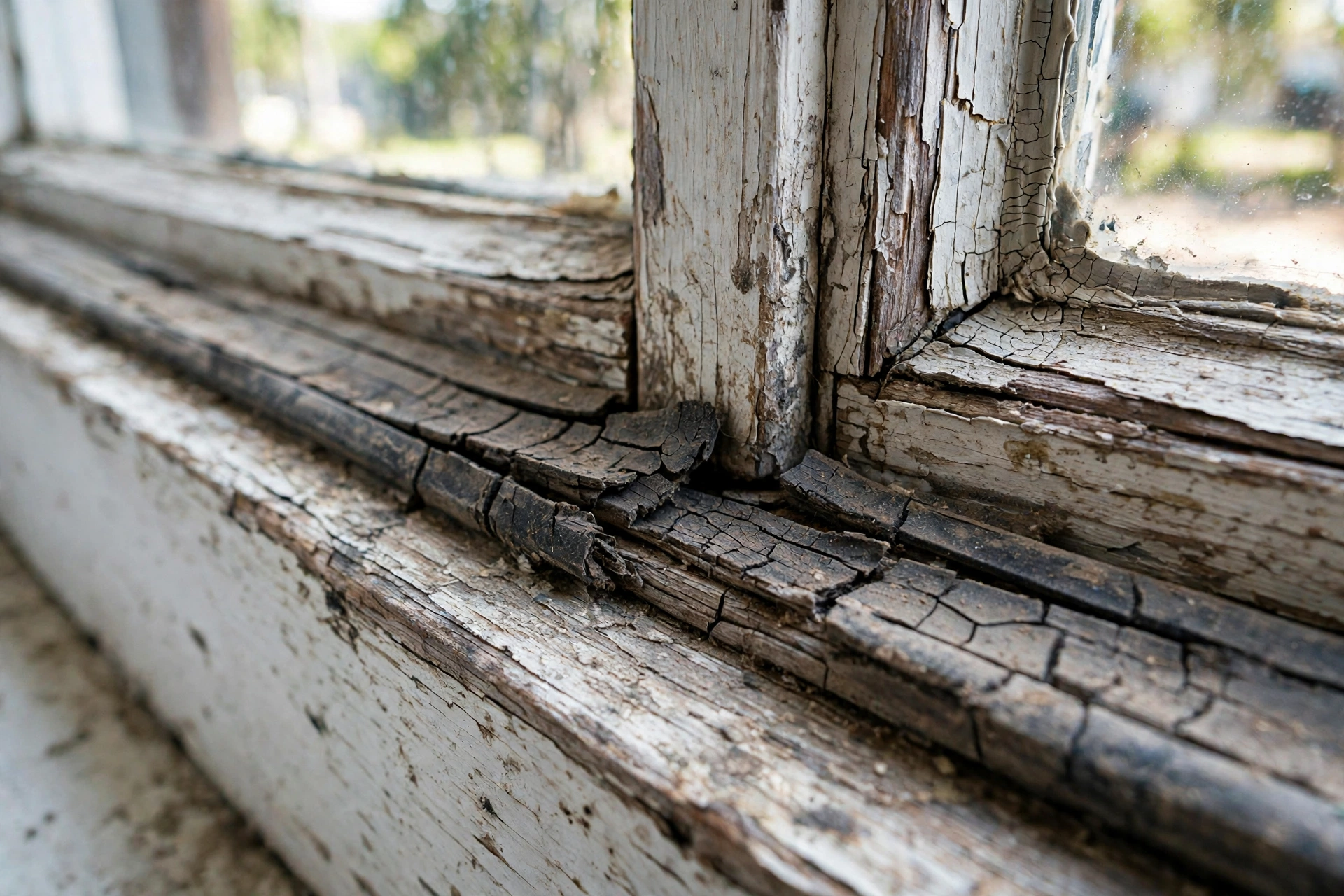
Here is something worth knowing: in El Paso, windows do not all age at the same rate. The desert sun is ruthless on south- and west-facing openings — frames bake, sealants crack, and weatherstripping turns brittle years before the shaded north side shows any wear. That means the windows failing first are rarely a random sample; they are the ones taking the beating.
The storms rolling through this weekend will find every weakened joint, and next week’s lows in the 12–14°C range will expose every draught. If you walk the house on a cold morning and note which rooms feel noticeably chillier, you have a natural priority list. Many homeowners discover that a handful of windows cause most of the discomfort — and that changes the maths of the decision.
Winter is also a perfectly workable time for installation in El Paso. Our winters are mild compared with most of the country, and installers handle one opening at a time, so the house is never left wide open to the elements. You do not need to wait for spring to fix a draughty room.
A Practical Middle Path: Replace by Zone
If all-at-once feels like too much and one-at-a-time feels too slow, consider the middle path most contractors quietly recommend: replace by zone. Group your windows by exposure and condition — say, all the sun-battered west-facing windows in one phase, the bedrooms in another, and the rest later. You get the visual consistency of a batch job within each zone, fewer disruptions than true one-by-one replacement, and a budget you can manage in two or three stages.
Zone replacement also pairs well with our climate. The windows that suffered the most UV damage go first, which is where the comfort and efficiency gains are largest anyway. When you are ready to plan it out, our installation services page explains how projects are typically scoped and sequenced.
When Waiting Could Cost You More
There is a line between sensible phasing and risky delay. If a window shows soft or rotting frame material, recurring leaks after recaulking, or condensation trapped between the panes, that window is not a candidate for “later” — it is a candidate for now. Moisture inside a wall cavity does not pause while you save up; it keeps working on the framing, insulation, and drywall out of sight. If you are unsure whether a window can wait, read our comparison of replacement vs repair before deciding.
A sensible rule of thumb: phase the project around the healthy windows, but never delay the ones that are actively letting water in. Structural damage is the one cost that compounds faster than any financing charge.

So, Which Should You Choose?
If your windows are roughly the same age and condition, and the budget allows, replacing them all at once gives the cleanest result with the least repeated disruption. If the budget is tight — or only a few windows are genuinely failing — start with the worst offenders and phase the rest, ideally by zone so each stage looks finished on its own.
Either way, start with an honest assessment of the house. Walk every room, note which windows stick, rattle, fog, or leak, and check which faces take the worst of the afternoon sun. That single walkthrough usually makes the decision obvious.
Still torn? Call our El Paso team at (915) 288-9621. We will walk through your windows with you, flag the ones that cannot wait, and lay out window replacement options for doing it all at once or in phases — no pressure, just a clear plan for your house.
Frequently Asked Questions
Will new windows look different from my old ones?
Yes, if you mix old and new. Frame profiles, finishes, and glass tints have changed over the years, so a brand-new window next to a twenty-year-old one is usually noticeable. Replacing by zone keeps each group visually consistent, which is why many homeowners prefer it to true one-at-a-time replacement.
How long does it take to replace all the windows in a house?
Most whole-house projects take one to two days, depending on the number of windows and the type of installation. Each opening is handled individually, so the house is never left exposed.
Is it okay to replace windows during El Paso’s winter?
Yes. El Paso winters are mild, and installers work one opening at a time, keeping exposure to the cold brief. A draughty room is worth fixing before the coldest weeks arrive, not after.
Should I replace the worst windows first?
If you are phasing the project, yes — start with the windows that leak, stick, fog between the panes, or sit on the sun-beaten west and south faces. Those deliver the biggest comfort improvement per window.