Bay and Bow Windows in El Paso — Cost, Benefits and Heat Considerations
Bay and Bow Windows in El Paso — Cost, Benefits and Heat Considerations
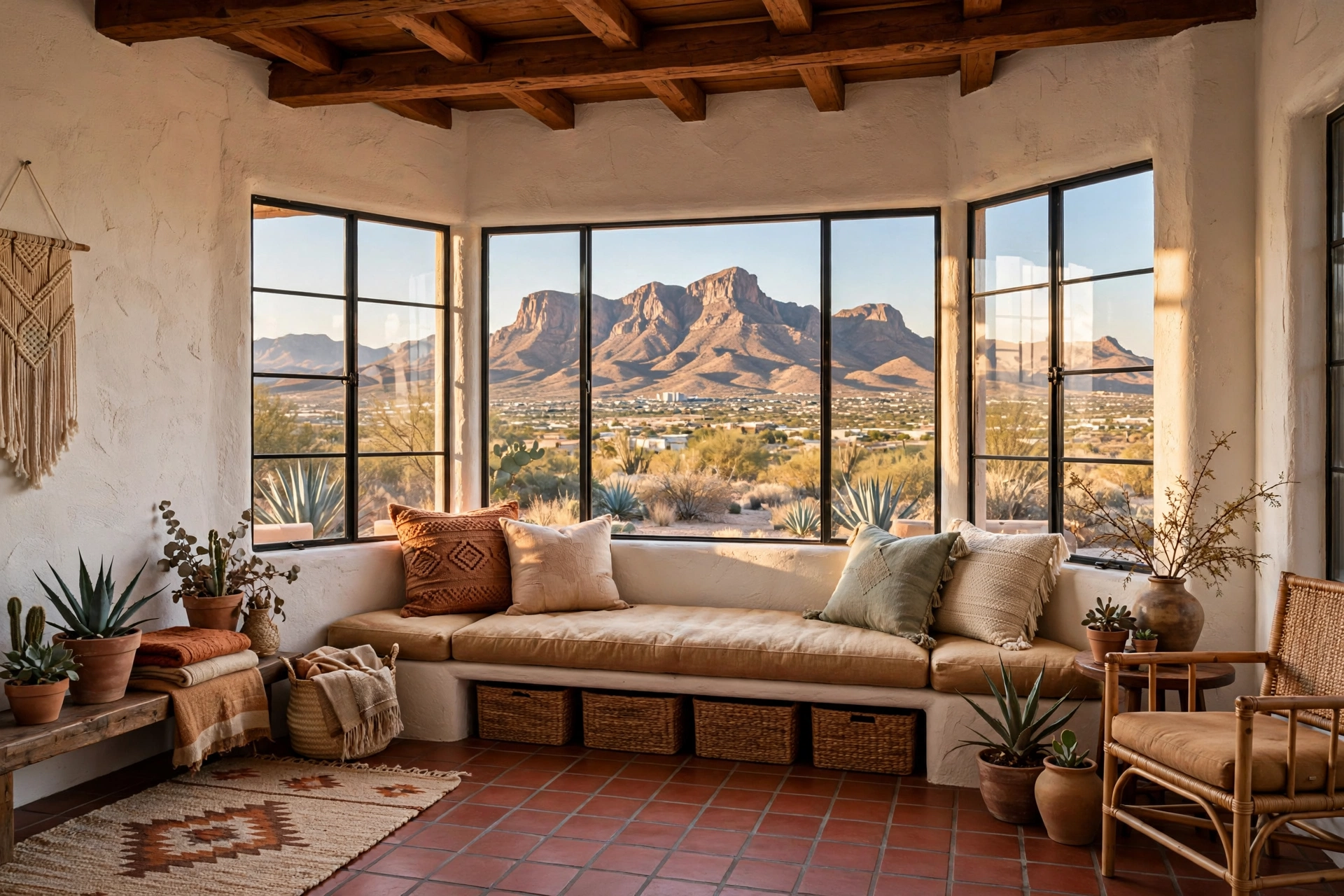
Most El Paso living rooms have a view worth framing — the Franklin Mountains, a wide desert sunset, or a quiet Westside street lined with stucco homes. A bay or bow window does more than frame that view: it pushes the glass out beyond the wall, pulls in extra light from three directions, and adds usable space inside, whether that becomes a reading seat, a plant ledge, or simply a brighter corner of the room. The question most homeowners ask first is whether that extra glass makes sense in desert heat — and what it costs. This guide answers both, honestly, so you can judge whether a bay or bow window is right for your home.
1. Bay vs Bow: What Is the Difference?
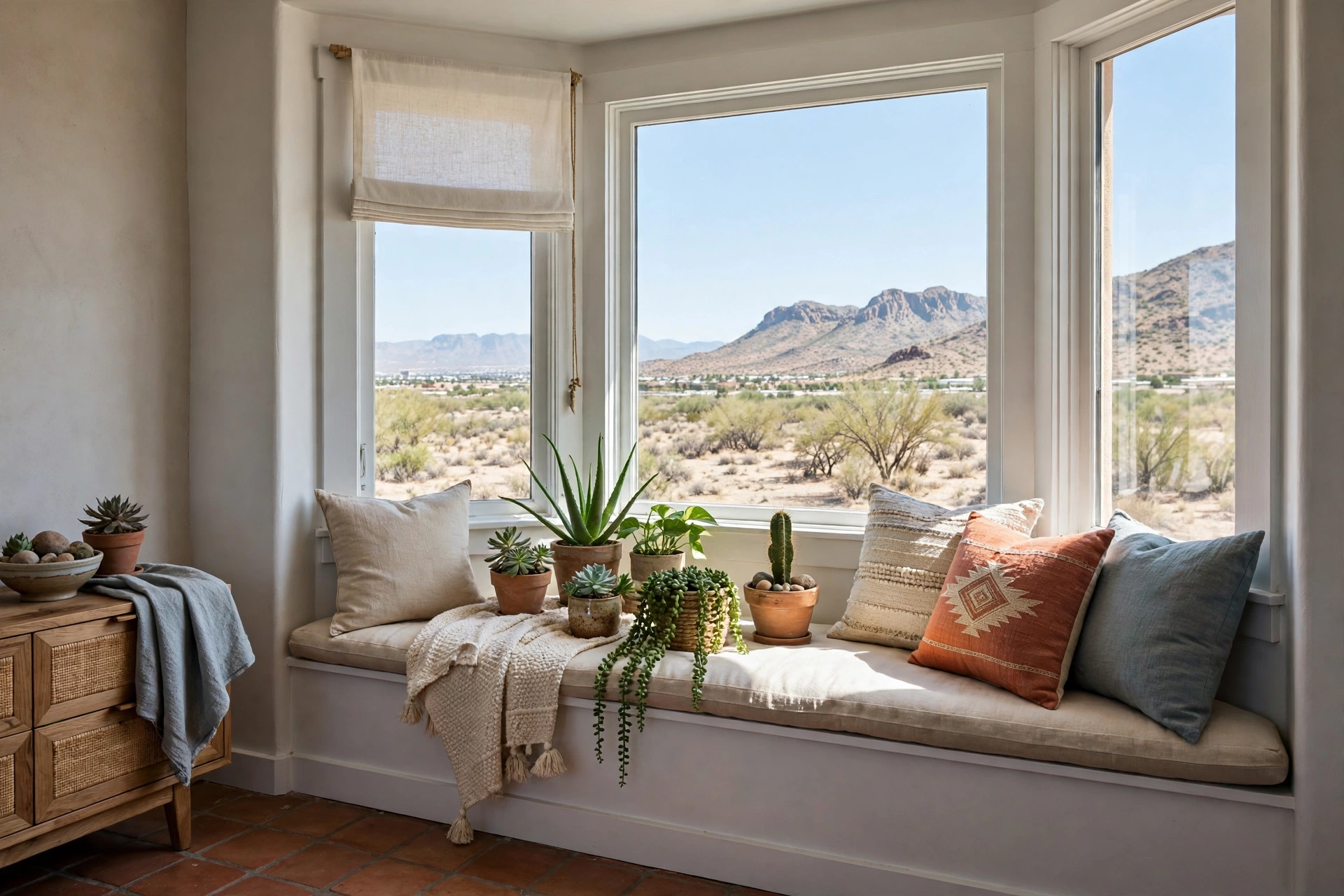
A bay window is made of three sections: a large fixed centre pane with two angled side windows, usually set at around 45 degrees. It projects from the wall in a clear, angular shape and often has a flat seat board at the bottom. A bow window, by contrast, is a gentle curve made of four to six narrower windows joined together, most of them fixed, sometimes with casements at the ends. The bow gives a softer, more panoramic sweep of glass; the bay gives a bolder architectural statement and, because its side windows usually open, better ventilation. Both need more wall space than a standard window — a bay needs a reasonably wide opening, and a bow needs wider still, since its curve spans further along the wall.
2. Why Bay and Bow Windows Suit El Paso Homes
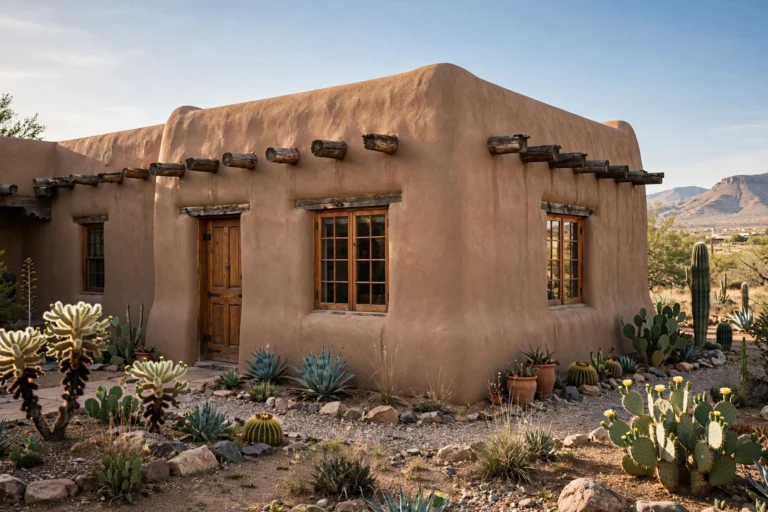
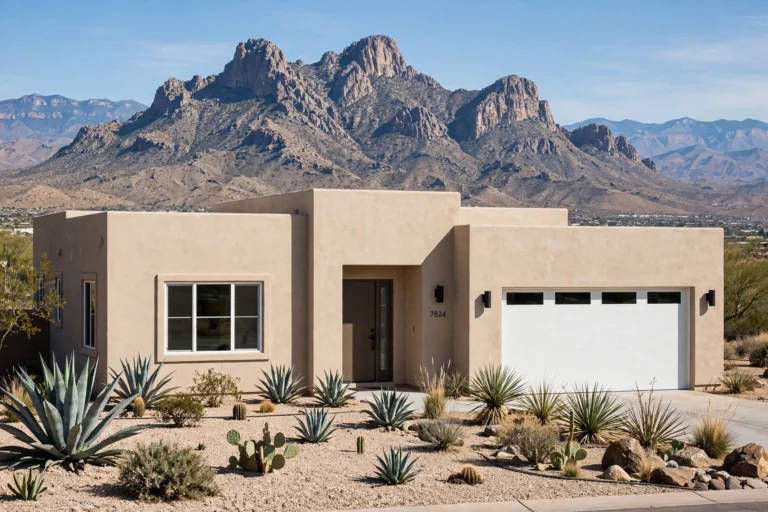
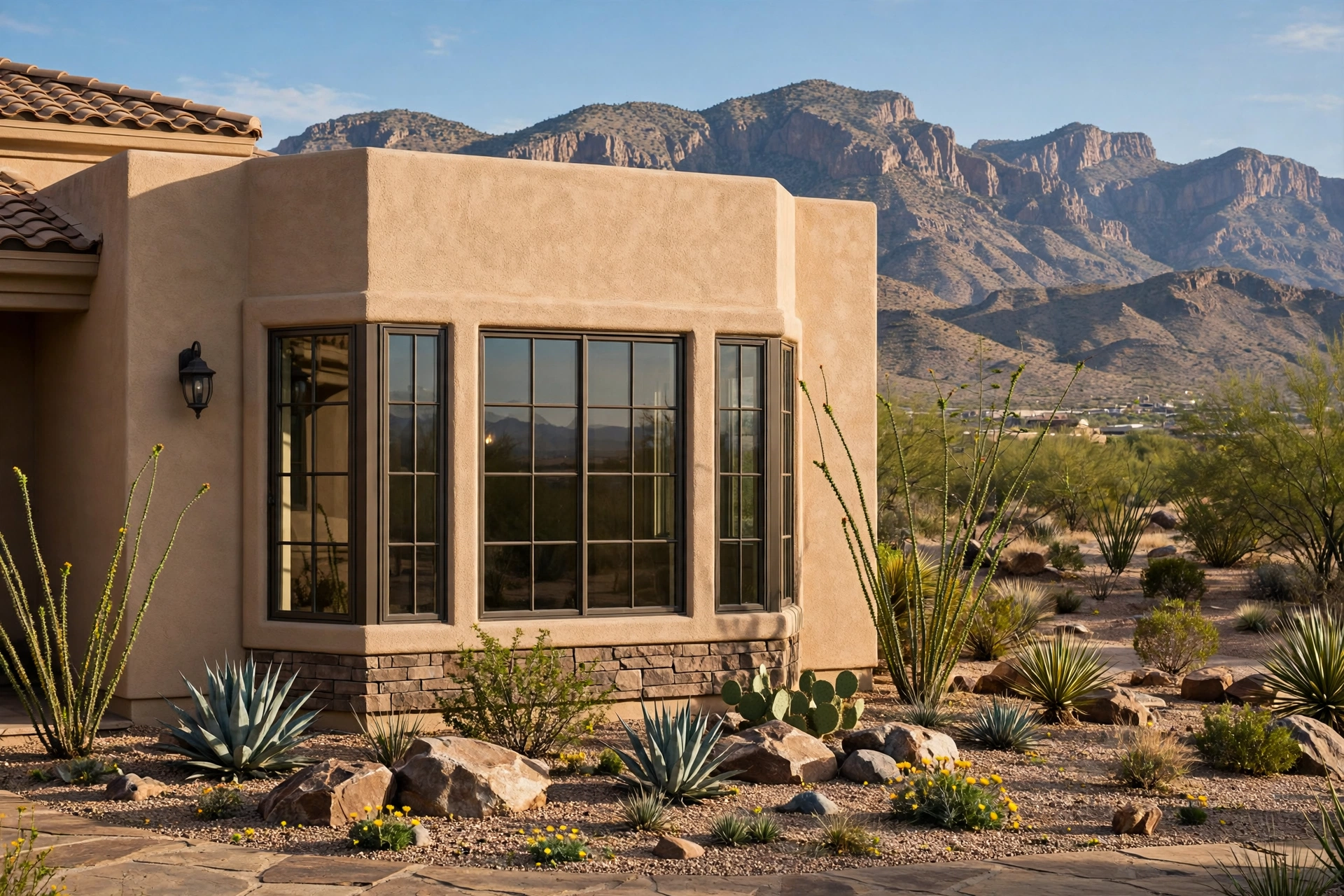
El Paso homes are built for light and outlook: stucco walls, warm colours, and rooms that open towards a view. A bay or bow window plays to exactly that. The projecting shape catches morning light on one side and afternoon light on the other, so a room that used to feel flat can feel bright all day. The extra floor space matters too — in a living room or main bedroom, the window seat becomes the favourite spot in the house, and in a dining room it can hold a breakfast nook without taking space from the table. Because the glass area is large, choose the wall with care: a north- or east-facing bay brings in light without the fiercest afternoon sun, while a west-facing one needs the heat treatment described below. If you are weighing a whole-home upgrade at the same time, a full-home window installation lets you match the new bay or bow to every other window in the house.
3. What Bay and Bow Windows Cost — and What Drives the Price
Bay and bow windows cost more than a standard replacement window, and the reasons are straightforward: more glass, more frame, a projecting structure, and more labour. Published national guides put a typical installed bay window in the region of $1,600–$4,800 and a bow window around $2,400–$5,300, with custom or very large bow projects going considerably higher — but those are national figures, not an El Paso quote, and your final price will depend on your home. The main cost drivers are size and panel count (a six-panel bow costs more than a three-panel bay), frame material (vinyl is usually the most affordable, fibreglass and wood-clad sit higher), glass specification, and whether the opening already exists. Replacing an existing bay or bow in its current opening is far simpler than cutting a new projection into a wall, which may need structural support, a new roof section over the projection, and stucco or siding work to finish the outside. If you are comparing options across the house, our window replacement options page explains how project pricing is put together, and a local, in-home quote is the only way to get a firm figure for your wall.
4. Heat Gain: The El Paso Question That Matters Most
A bay or bow window is a lot of glass, and in El Paso that glass faces long, intense summers. Left untreated, it would pour heat into the room. Modern specifications change that picture substantially. Low-E coatings reflect a large share of solar heat while letting visible light through, argon-filled double glazing slows heat transfer, and a low solar heat gain coefficient (SHGC) is the number to ask about for any west- or south-facing projection. Orientation and shading do the rest of the work: a roof overhang above the bay, an exterior shade or awning on the harshest side, and light-coloured interior finishes that reflect rather than absorb heat. Operable side windows on a bay also help — opening them on a cooler evening flushes warm air out in a way a fixed picture window cannot. Done this way, a bay or bow window gives you the view without turning the room into a greenhouse, which is the same principle behind our guide to picture windows for El Paso homes.
5. Structure, Installation and What to Expect on the Day
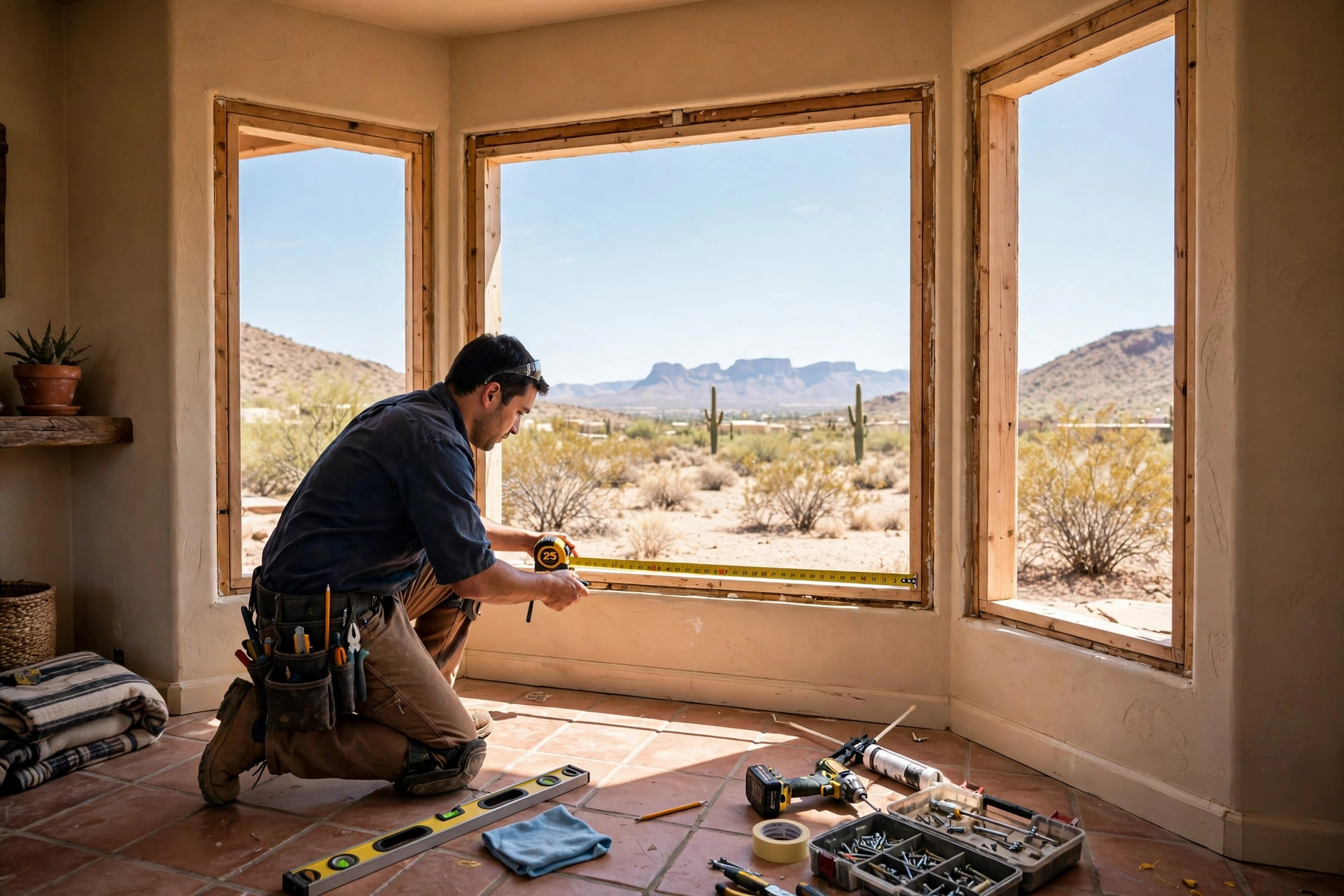
Installation is more involved than swapping a standard window, so set expectations accordingly. The crew first checks that the wall and floor can carry the projection — a bay or bow needs proper support brackets or a knee wall beneath it, not just a frame screwed into the opening. For a new projection, the opening is cut, the unit is set and levelled, the roof cap is flashed and sealed against desert rain and dust, and the exterior is finished to match your stucco or siding. Inside, the seat board and trim are fitted, and insulation around the frame is checked carefully, because draughts at a projecting window are the most common complaint when the job is rushed. A straightforward replacement in an existing opening is typically a day’s work; a brand-new projection can take longer, especially if stucco patching needs time to cure. Either way, ask your installer to walk you through the support, flashing, and sealing details before work starts — those hidden details decide whether the window performs for decades or causes problems within a few years.
6. Bay or Bow — Which Should You Choose?
Choose a bay if you want ventilation, a defined seat, and a strong architectural feature, and if your wall width suits three sections. Choose a bow if you want the widest, softest panorama, have a long wall to fill, and are happy with mostly fixed glass. Skip both if the wall faces harsh west sun with no shading option, if the room is small enough that the projection eats needed floor space, or if the budget only stretches to a basic replacement — a well-specified standard window, chosen from our window design ideas for El Paso homes, will serve you better than a cut-price bay. And if the whole house needs attention, talk to the El Paso window team about phasing the work so the feature window comes first and the rest follow.
Frequently Asked Questions
Do bay windows open? Usually, yes — the two angled side windows on a typical bay are operable, which is one of their advantages over a bow, where most panels are fixed.
Will a bay window make my room hotter in summer? It can, if fitted with plain glass and no shading. With Low-E, argon-filled glazing, a suitable SHGC, and shading on the sunniest side, heat gain is kept well under control.
Can a bay window be fitted into a stucco home? Yes. Stucco homes are common candidates, but the exterior finish around the new projection needs careful patching and sealing, so allow time for that work.
Is a bow window worth the extra cost over a bay? If the panoramic curve and extra light are what you want, and your wall is wide enough, yes. If ventilation and budget matter more, a bay usually wins.
Thinking about a bay or bow window for your El Paso home? Call (915) 288-9621 for a local, in-home quote — we will measure the wall, talk through glass and shading options for your orientation, and give you a firm price before any work starts.