New-Construction vs Replacement Windows — What Is the Difference?
New-Construction vs Replacement Windows — What Is the Difference?
When El Paso homeowners start pricing new windows, they quickly run into two terms that sound similar but describe very different jobs: new-construction windows and replacement windows. The difference is not about quality — both can be excellent windows — but about how the window connects to your house, how much of your wall has to come apart, and what the project will cost. Choosing the wrong type for your situation can add days of work and hundreds of dollars per window for no benefit at all.
This guide explains what each type is, how they compare on cost, time, and disruption, and which one suits the most common El Paso situations — from a simple upgrade of tired windows to a major remodel or an addition. If you are still weighing whether to change your windows at all, our replacement vs repair guide will help you decide that first; the window replacement options below then narrow the choice down to the right installation method.
What Is a Replacement Window?
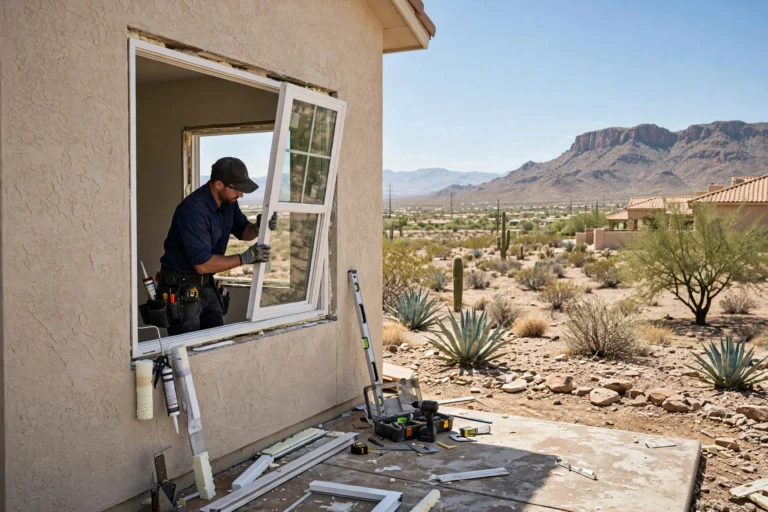
A replacement window is designed to fit into an existing window opening in a finished wall, without disturbing the surrounding structure. The installer removes the old sashes and hardware, then fits the new unit into the opening that is already there. There are two main approaches. An insert (or pocket) replacement slides the new window inside your existing frame, which stays in place — the fastest, cleanest, and usually cheapest route, and the right one when the frame is still solid and square. A full-frame replacement removes the old frame as well, right back to the rough opening, and sets a completely new frame and sash — still without touching the siding, stucco, or trim outside.
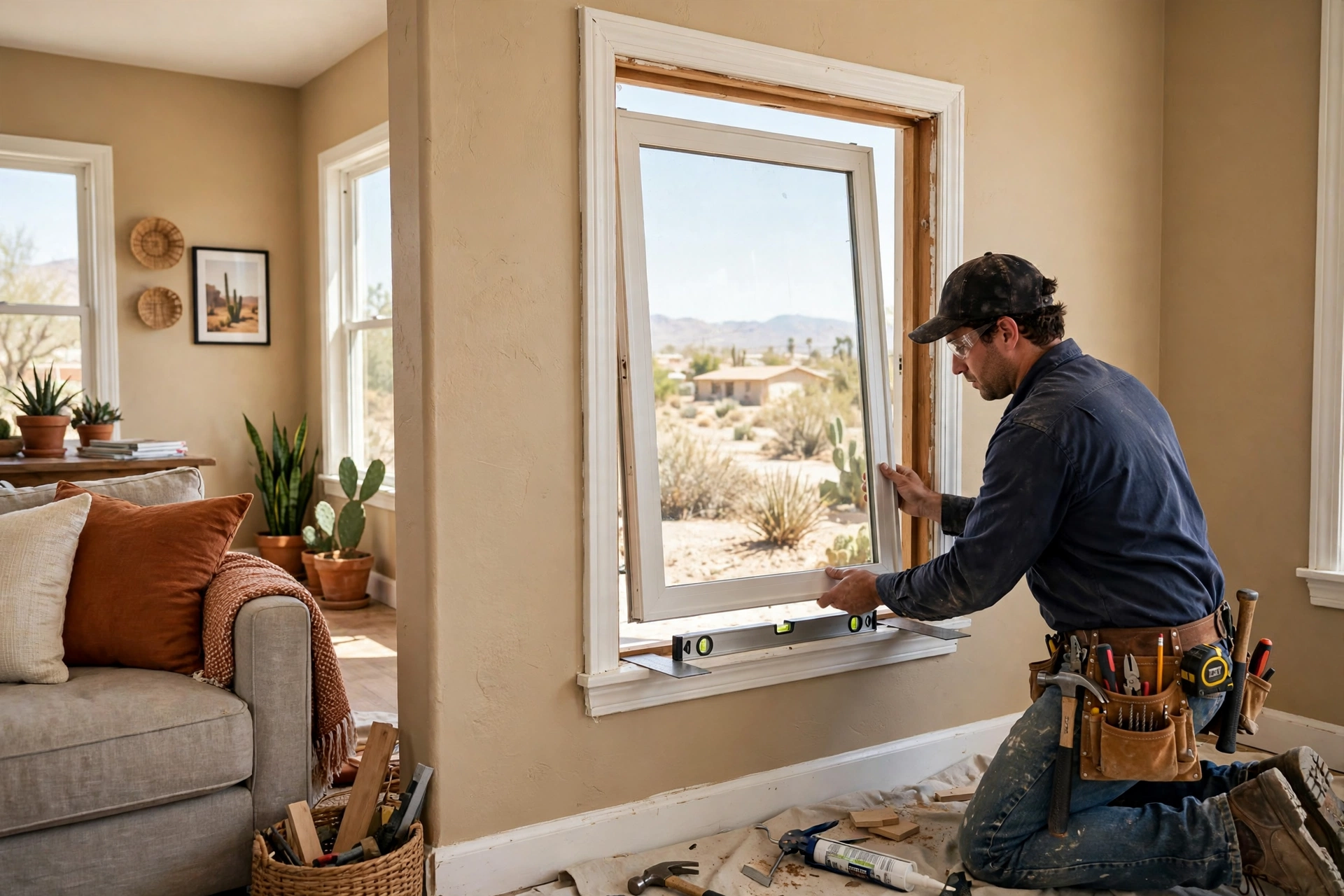
Because the wall stays intact, replacement windows suit occupied homes. The work is typically a few hours per window, the room is usable again the same day, and there is no plastering, painting, or stucco repair afterwards. The trade-off is flexibility: the new window must match the size of the existing opening, so you cannot make a window bigger, move it, or change its shape without a different approach. An insert replacement also loses a small amount of glass area, because the new frame sits inside the old one.
What Is a New-Construction Window?
A new-construction window carries a nailing fin — a flat flange around the perimeter of the frame — that is fastened directly to the exposed wall studs before the siding or exterior finish goes on. It is the window used when a house is being built, when an addition is going up, or when a wall has been opened right back to the framing during a major remodel. The fin is then tied into the flashing and the weather barrier, which gives the window a continuous seal against water and air from the very start.
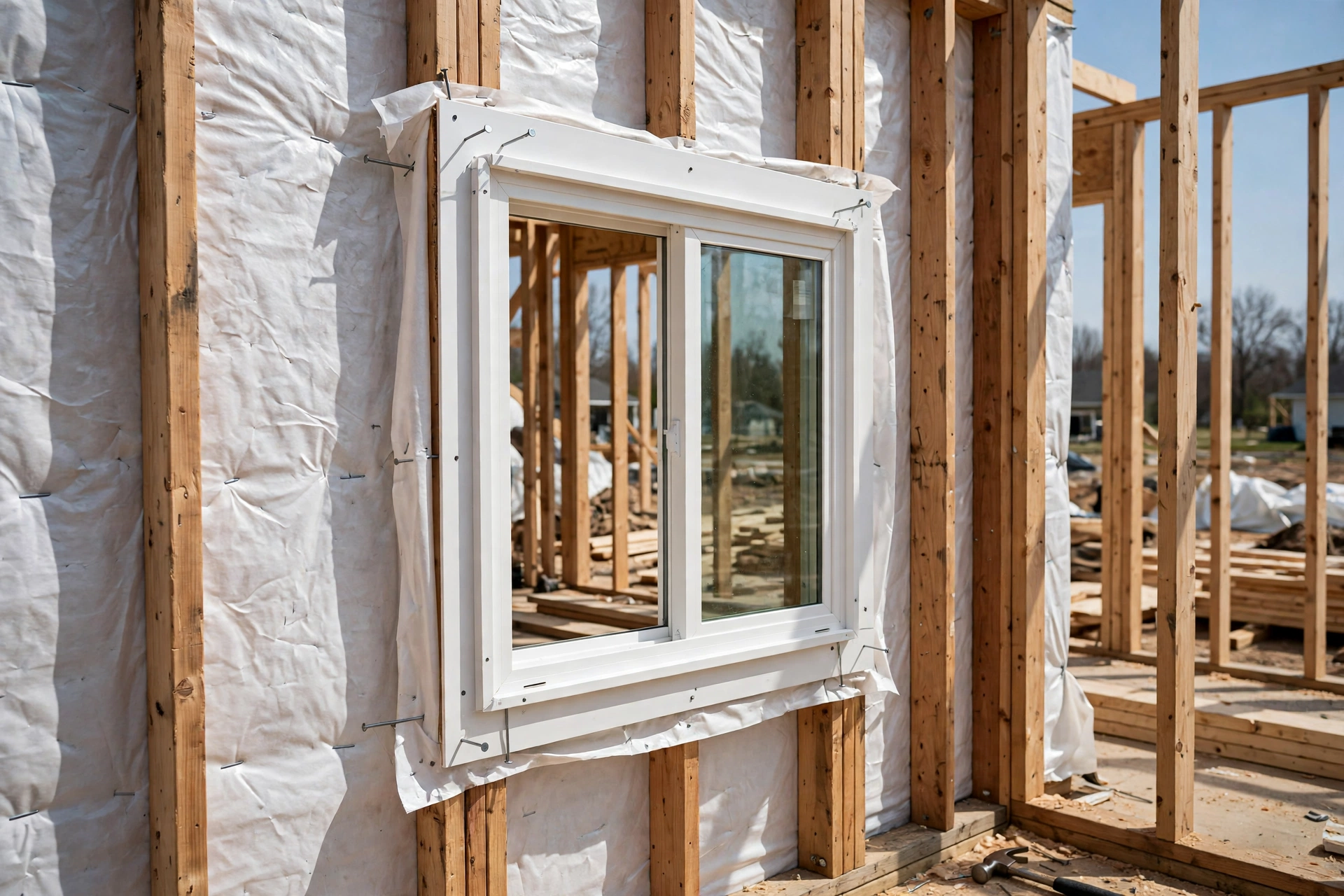
That fin is the whole difference, and it is also the reason a new-construction window is the wrong choice for a straightforward window upgrade. On a finished home, fitting one means removing the siding or stucco around every opening, exposing the studs, installing the window, and then rebuilding the exterior finish. That is major work in an occupied home — and on a stucco or adobe-style El Paso home, patching the exterior to match the original finish is a job in itself.
New-Construction vs Replacement Windows at a Glance
Cost is usually the deciding factor. The window unit itself is often similar in price, but the labour is not: a new-construction installation typically costs 50 to 100 per cent more per opening than a replacement, because of the extra removal, framing, flashing, and finishing work. Replacement windows are installed in hours; a new-construction opening can take a day or two once the exterior work is counted. Replacement causes minimal disruption — no dust, no open walls, no trades beyond the window crew — while new-construction work means an open wall, exterior finishing, and often painting or stucco repair.
On energy performance, the honest answer is that the glass package, the frame material, and the quality of the installation matter far more than the window category. A well-installed replacement window with Low-E double glazing will outperform a poorly sealed new-construction window every time. New-construction windows do have one genuine efficiency edge: because the fin integrates with the house wrap and flashing from the start, air sealing can be more complete — but a careful full-frame replacement with proper foam and sealant gets very close. For El Paso heat, the glass and the seal matter more than the fin, as our vinyl vs fibreglass guide explains.
When Replacement Windows Are the Right Choice
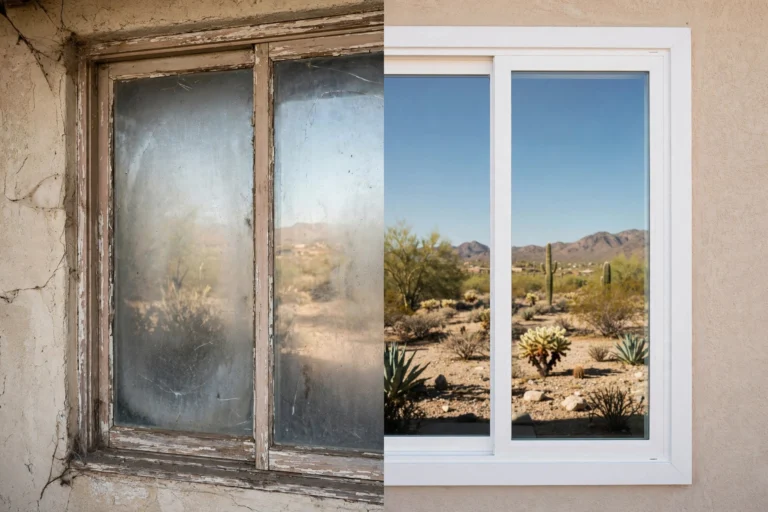
For most El Paso homeowners, replacement windows are the answer. Choose them when your frames are sound, you are keeping the same window sizes and positions, and you want better comfort, lower bills, and a fresher look without turning your home into a building site. They are the right call for a single worn-out window, for a whole-house upgrade, and for rental properties where downtime matters. They also suit stucco and pueblo-style homes particularly well, because the exterior finish is never touched.
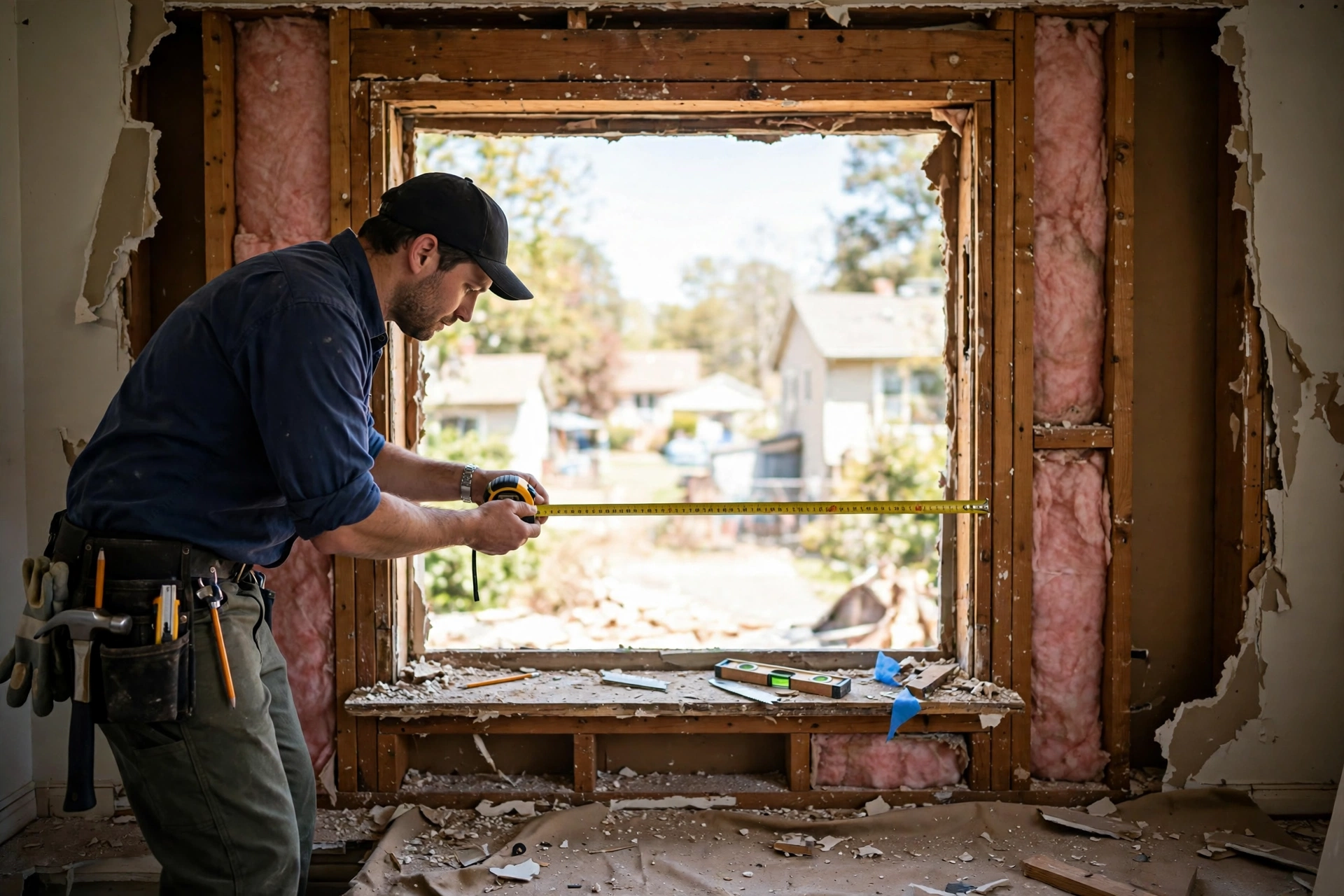
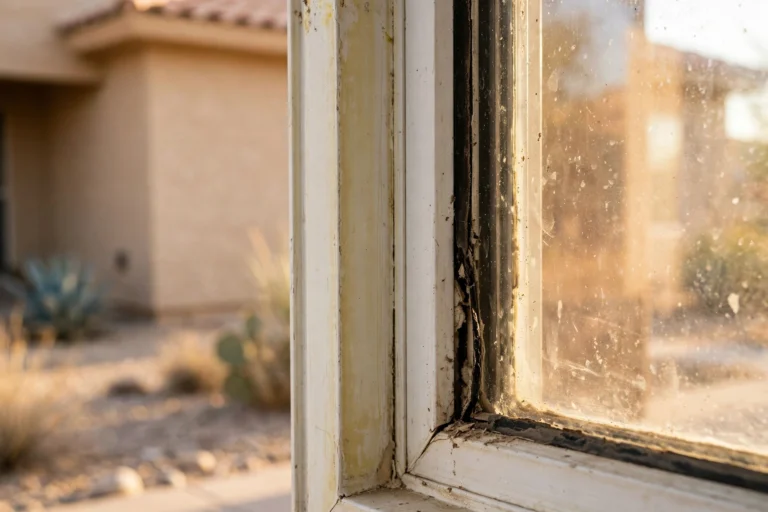
If your frames are damaged — rot, warping, or corrosion — a full-frame replacement is still the replacement route to take. It removes the problem down to the rough opening and lets the installer check for hidden water damage behind the trim, while still leaving your siding, stucco, and interior walls alone. If you are replacing every window in the house, ask about full-home window installation, which coordinates the whole job as one project rather than a series of separate visits.
When New-Construction Windows Make Sense
New-construction windows earn their place in three situations. The first is obvious: a new home or an addition, where the studs are already exposed and the fin is the natural way to fasten the window. The second is a major remodel where the siding or stucco is coming off anyway — if the wall is already open, there is no extra cost to using a flanged window. The third is when you want to change the opening itself: make a window bigger, add a window where a wall or a door used to be, or move a window to a new position. Any of those jobs needs new framing, and new framing means a new-construction window.
There is one more case worth mentioning. If your home has severe frame damage combined with damaged siding, and the exterior is being stripped back regardless, a new-construction window can be the cleaner long-term fix. But if the siding is staying put, a full-frame replacement gives you nearly all of the same benefits without the exterior rebuild.
El Paso Considerations: Stucco, Heat, and Cold Nights
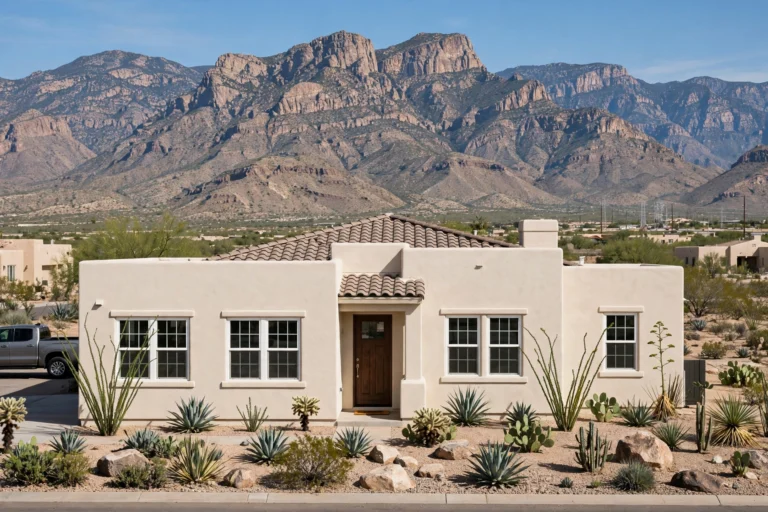
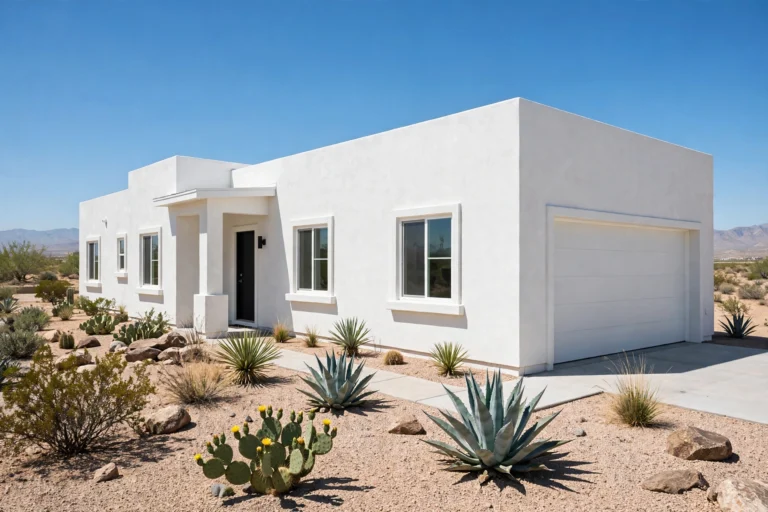
El Paso’s housing stock shapes this choice more than most places. A large share of homes here are stucco, adobe, or pueblo-style, where the exterior finish is a continuous skin. Removing stucco to fit a new-construction window means cutting it back, installing the window, and then patching and blending the finish — a visible repair that is hard to make invisible, and an extra cost on every opening. For that reason alone, replacement windows are the default for most El Paso homes, and new-construction windows are reserved for genuine new openings and major remodels.
The season matters too. As autumn nights cool — overnight lows are already dropping towards 10°C — draughts from worn seals become noticeable, and a sealed, well-fitted window pays for itself in comfort long before summer returns. A replacement job can be completed quickly, often in a day or two for a whole house, so it is a practical project even as the weather turns. A new-construction project, by contrast, leaves walls open to the elements, so it is best planned for settled weather and a clear schedule.
Frequently Asked Questions
Can new-construction windows be used for a replacement project?
Yes, in two ways. If the siding is being removed down to the studs, the window can be installed with its nail fin as it would be in a new build. If the wall stays finished, the fins can be removed and the window installed as a full-frame replacement — though at that point you are paying for a feature you are not using, so a purpose-built replacement window is usually the better buy.
Are replacement windows lower quality than new-construction windows?
No. The glass, frame material, and energy ratings are the same across both categories; only the frame edge and the installation method differ. A replacement window from a good manufacturer is every bit as durable and efficient as its new-construction equivalent.
Which option costs less?
Replacement windows almost always cost less overall. The unit price is similar, but new-construction installation involves far more labour — removing and rebuilding the exterior finish around every opening — which typically adds 50 to 100 per cent to the labour cost per window.
Will I lose glass area with a replacement window?
With an insert replacement, yes, slightly — the new frame sits inside the old one, so you lose roughly an inch or two of visible glass. A full-frame replacement avoids that, because the old frame comes out entirely and the new window fills the full rough opening.
How do I know which type my home needs?
The deciding questions are simple: are the walls staying finished, and are the openings staying the same size? If the answer to both is yes, you need a replacement window. If the walls are open, or the opening is changing, you need a new-construction window. A short inspection will settle any doubt.
Get the Right Window for Your Home
The difference between new-construction and replacement windows comes down to one question: is the wall open or finished? For most El Paso homes, the wall is finished, the openings are staying put, and a replacement window is the faster, cleaner, and cheaper answer. If you are adding a room, opening up a wall, or rebuilding after damage, a new-construction window is the right tool for that job. A local window team can inspect your openings, check the condition of your frames, and tell you plainly which route your home needs — before you spend anything. Call (915) 288-9621 for a free estimate, and we will walk you through both options, the costs, and the timeline, so the choice is yours and it is an informed one.