
Window Glass Replacement in El Paso — When You Don’t Need the Whole Window
Window Glass Replacement in El Paso — When You Don’t Need the Whole Window
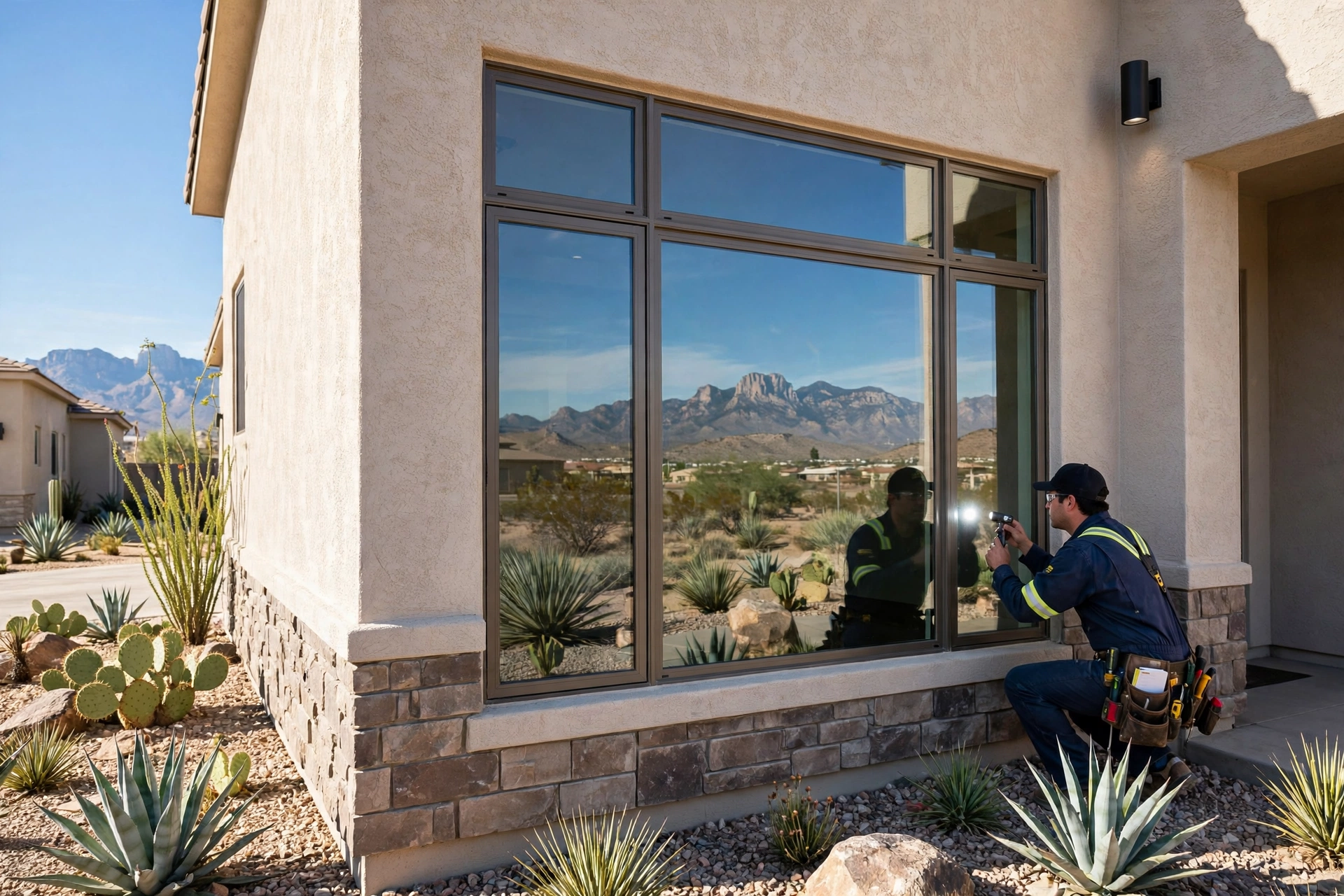
A cracked pane, a foggy double-glazed unit, or a window that suddenly lets in a draught does not always mean a full window replacement. In many El Paso homes, the frame and sash are still sound, and only the glass itself has failed. In that case, window replacement options include a simpler, faster fix: replacing just the glass and keeping the rest of the window in place. Knowing which side of that line your window falls on can save you disruption, mess, and money — but only if the frame genuinely deserves to stay.
This guide explains when glass-only replacement works, when it does not, what kinds of glass suit El Paso’s desert heat, and what to expect from the job itself.
When Replacing Just the Glass Makes Sense
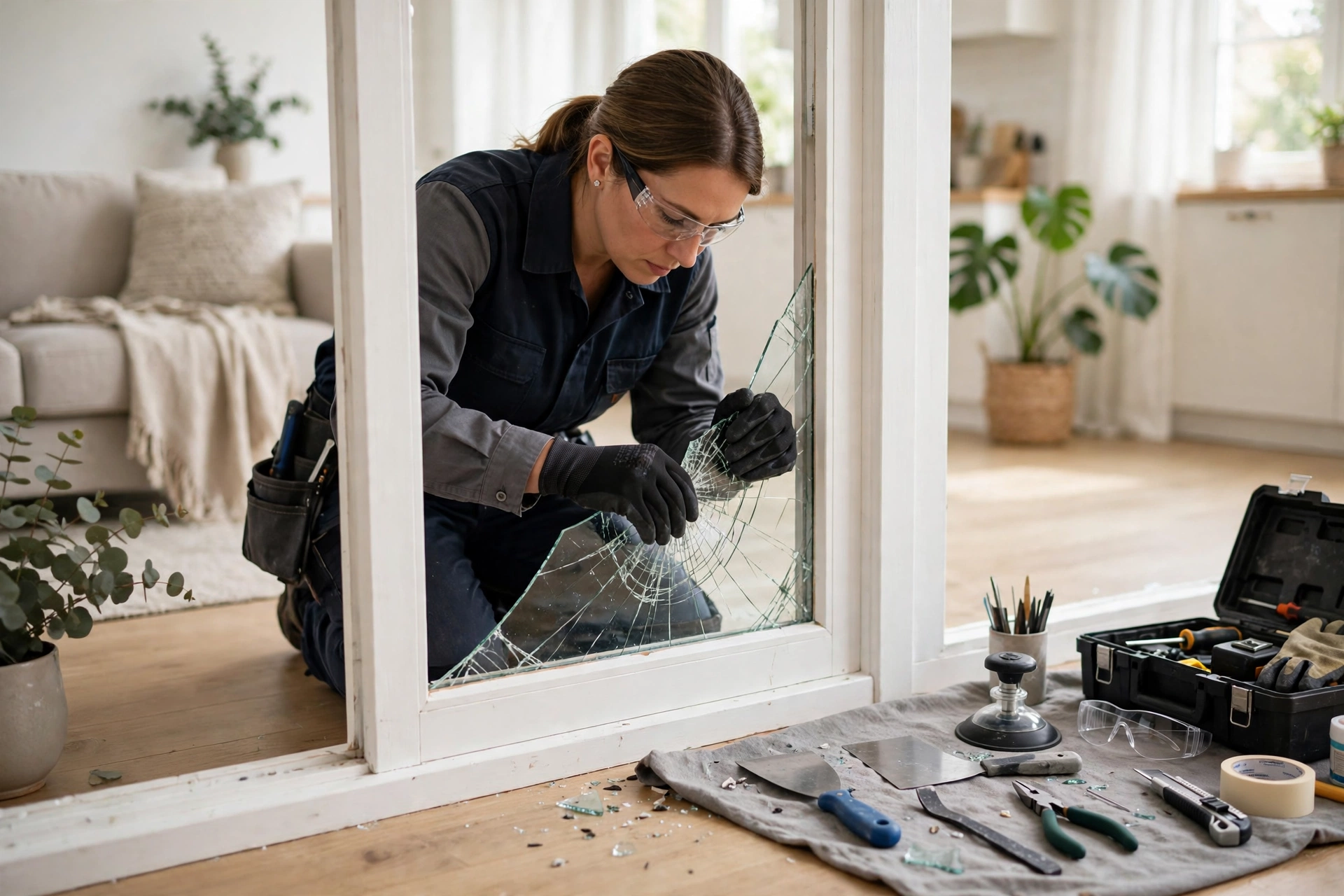
Glass-only replacement is the right call when the problem is confined to the pane or the sealed unit, while the frame, sash, seals around the frame, and hardware are all still doing their job. Typical cases include a single cracked or chipped pane after a stone strike, a failed seal that has left condensation trapped between the panes, and a pane broken by an accident at home. The window still opens, closes, and locks properly, the frame sits square in the opening, and there is no rot, warping, or persistent leaking around the edges. In those circumstances, swapping the glass restores clarity, insulation, and security without disturbing the surrounding wall, trim, or stucco.
It is also a sensible option when you want to upgrade performance without changing the look of your home. A plain single pane can be swapped for a Low-E insulated unit, for example, giving you better heat control in summer while the frame and exterior appearance stay exactly as they are. For older adobe, stucco, and pueblo-style homes, where the frame and opening are part of the character of the house, that minimal disturbance matters.
Signs Your Frame Is Still Worth Keeping
Before choosing glass-only work, run through a quick check. Does the window open and close smoothly, without sticking or dropping? Does the lock engage firmly? Is the frame solid when you press around the corners, with no soft spots, swelling, or visible rot? Is there no water staining on the wall below the window after rain? If the answer to each of those is yes, the frame is probably a good candidate for keeping. A professional inspection will confirm it, because some problems — a sash that has gone out of square, or a frame that has shifted in the opening — are easy to miss from inside the room.
Age alone does not rule a frame out. A well-made vinyl or fibreglass frame can last for decades in El Paso’s climate, and if it was installed properly and has been looked after, there is no reason to throw it away just because one pane has failed. Keeping a sound frame also means less waste and a shorter job, often completed in a single visit.
When the Whole Window Needs to Go
Glass-only replacement cannot fix a failing frame, and fitting new glass into a damaged frame is money wasted. If the frame is warped, cracked, or rotted, if the sash no longer sits true, if the window leaks around the frame itself rather than through the glass, or if the same window has needed repeated repairs, the honest answer is a full replacement. The same applies when the hardware has failed beyond repair, when the frame has lost its seal to the wall, or when you want a different style, size, or opening mechanism altogether.
There is also a performance argument. An old single-pane window in a thin, worn frame will still lose heat and let in dust even with a new pane in it, because the frame itself is the weak point. In that case, a complete window replacement options review is worth having, so you can compare the cost of repeated glass repairs against one proper replacement that solves the draught, the noise, and the heat gain together. Our earlier guide on replacement vs repair walks through that decision in more detail.
Choosing the Right Glass for El Paso Heat
Not all replacement glass is equal, and in El Paso the choice matters more than in milder climates. The sun here is intense for much of the year, and a plain clear pane will let a large share of that heat straight into the room. Low-E glass, which carries an almost invisible coating that reflects infrared heat while letting visible light through, is usually the smartest upgrade when the glass is being replaced anyway. Paired with a double-glazed insulated unit and argon gas between the panes, it cuts solar heat gain, eases the load on your air conditioning, and reduces the hot spots near sunny windows.
Other options suit particular rooms. Tempered safety glass is stronger and breaks into small, blunt pieces rather than sharp shards, making it the right choice for low windows, doors, and homes with children or pets. Laminated glass adds a further layer of security and sound reduction, which helps on busy roads. Tinted glass can cut glare in a west-facing room, though it also dims the view, so it is best reserved for rooms where glare is a genuine problem. A good installer will match the glass to the room’s orientation and use, rather than fitting the same pane everywhere.
What the Glass Replacement Process Looks Like
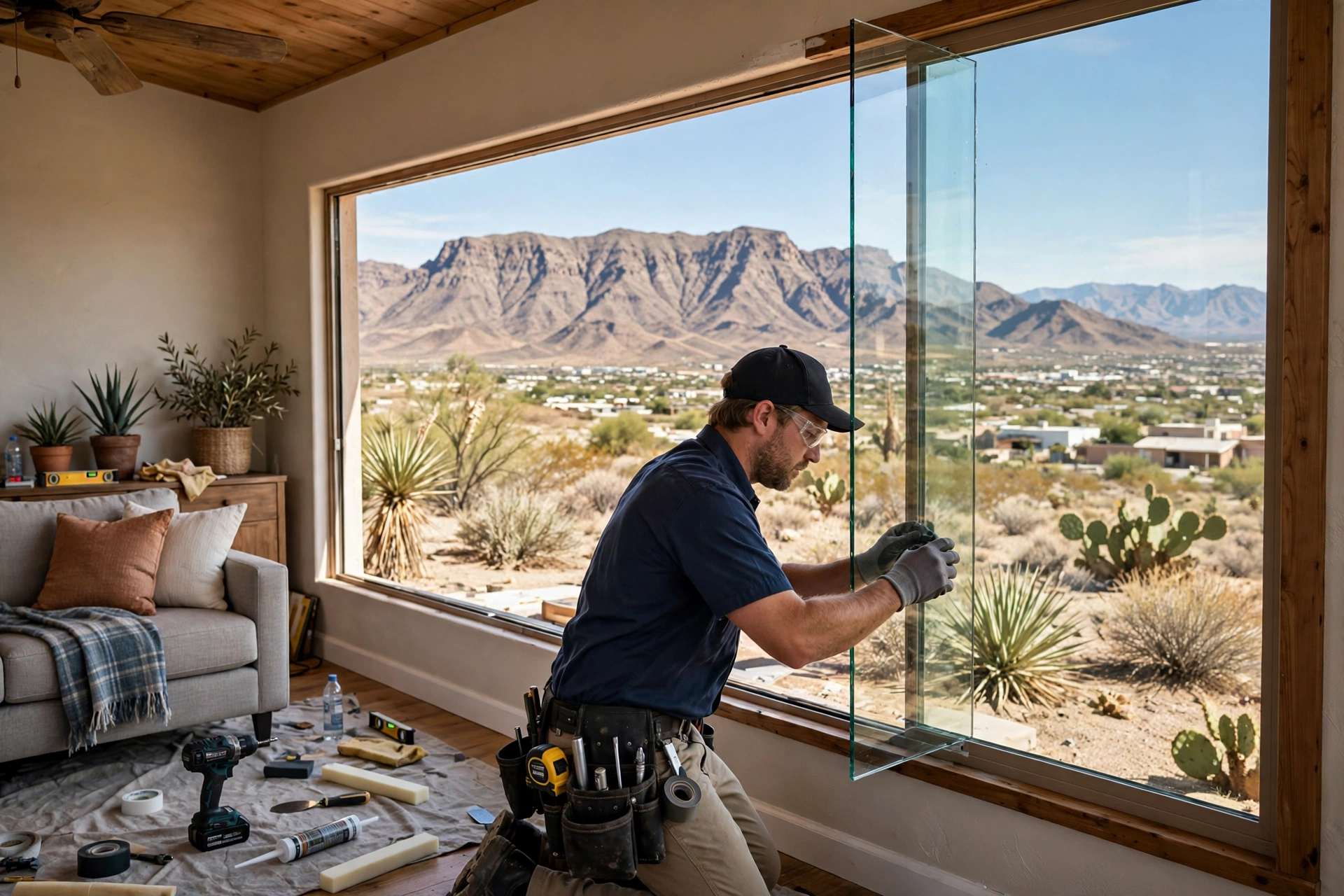
The job itself is usually straightforward. After measuring the opening and ordering the correct unit — size, thickness, coating, and gas fill all matter — the technician removes the glazing beads or sash, takes out the failed pane or sealed unit, cleans the rebate, and fits the new glass with fresh seals. The sash is refitted, the window is tested for smooth operation and a tight close, and the seals are checked for draughts. Most single windows are done within a couple of hours, and the room is left clean, with no plastering, painting, or stucco repair needed.
One exception is worth knowing about: a broken window that leaves your home open to the weather or insecure should not wait for an ordered glass unit. Secure the opening first, then arrange the proper repair. Our night breakage guide covers those first steps. And if several windows are failing at once, it may be worth considering full-home window installation instead of replacing glass one pane at a time, since a coordinated job is often more efficient than a series of separate visits.
What Affects the Cost
Glass replacement usually costs less than a full window replacement, because you are paying for the glass and the labour, not a new frame, sash, and hardware. Even so, the price varies: larger panes cost more, Low-E and laminated glass cost more than plain clear glass, tempered glass adds a premium, and an unusual shape or a hard-to-reach window takes longer to fit. A failed sealed unit in a standard double-hung window is at the simpler end of the scale; a large picture-window unit or a custom-shaped pane sits at the other end. Always ask for an itemised estimate that separates the glass, the seals, and the labour, so you can see exactly what you are paying for — and be wary of any quote that promises a fixed price before the window has been measured and inspected.
For comparison, if you are weighing glass-only work against a full swap, our vinyl vs fibreglass guide explains how frame material affects long-term performance in El Paso heat, which helps you judge whether your existing frame is worth keeping for another decade or whether a full replacement would serve you better.
Frequently Asked Questions
Can you replace just the glass in a double-glazed window?
Yes, in most cases. The failed sealed unit — both panes, the spacer, and the gas fill — is removed as one piece and replaced with a new unit, while the frame and sash stay in place.
Does glass-only replacement fix a foggy window?
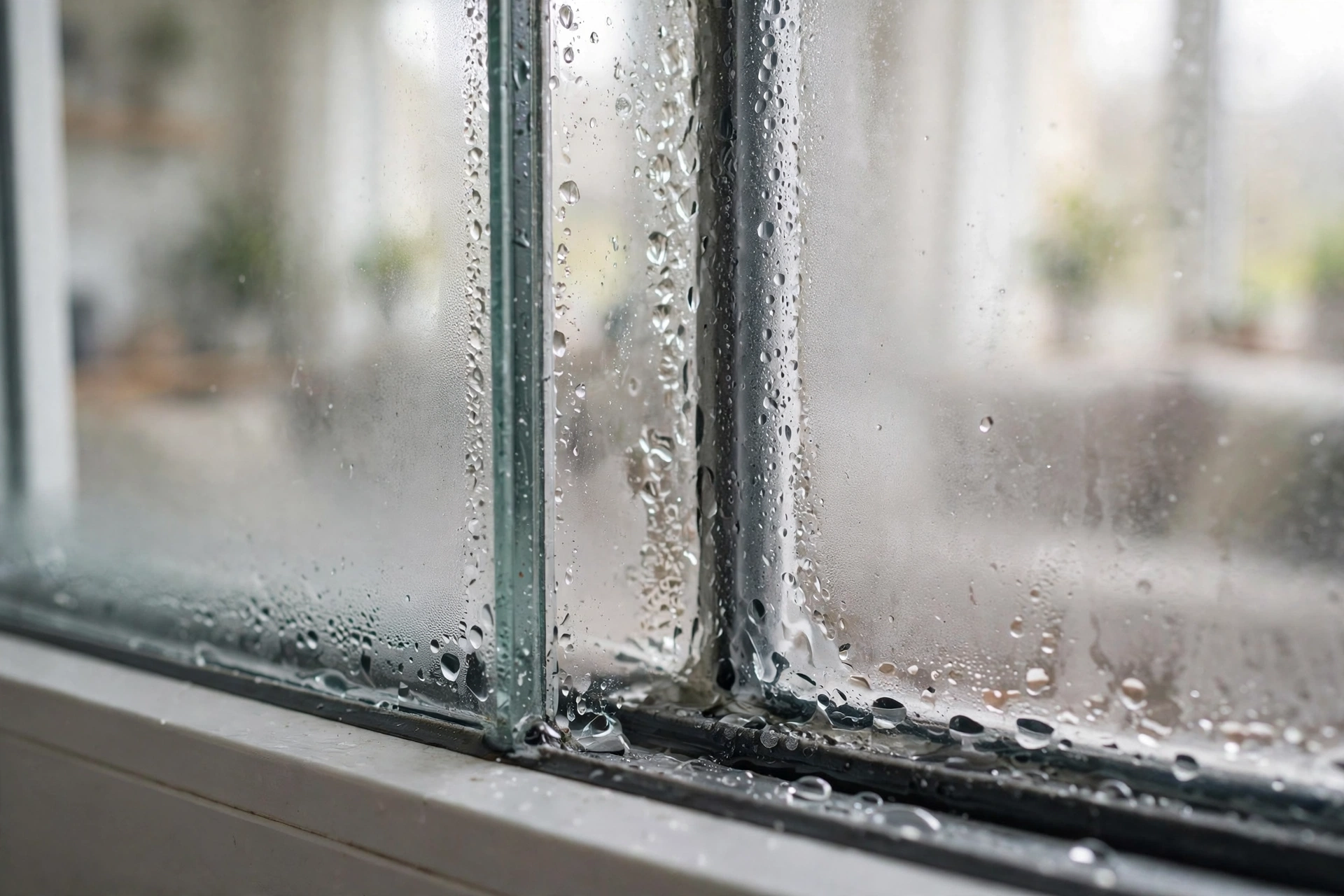
Yes, if the fogging is caused by a failed seal between the panes. The moisture is trapped inside the sealed unit, so only a new unit clears it. Cleaning the outside of the glass will not help.
Will new glass make my home cooler in summer?
It can, noticeably, if you upgrade to Low-E insulated glass. The improvement depends on the old glass, the room’s orientation, and the condition of the frame seals, so a good installer will be honest about what to expect rather than promising a fixed saving.
How long does glass replacement take?
Most single windows are completed within a couple of hours once the correct unit is in hand. Ordering a custom size or a specialist coating can add lead time, which your installer should confirm before you commit.
Should I replace all the glass at once?
Only if several units have failed or are near failure. Replacing a single failed pane is perfectly sensible; replacing sound glass elsewhere in the house rarely pays back.
Get an Honest Assessment First
The difference between a glass-only fix and a full replacement comes down to the condition of the frame, not the condition of the glass alone. A quick inspection from a local window team will tell you which side of that line your window sits on, and what the right glass choice is for that room. Call (915) 288-9621 for a free estimate — we will look at the frame, the sash, and the seals, explain both options plainly, and only recommend the work your window actually needs.